Imagine if the beloved characters of The Office were transported back to the 1980s, a decade known for its neon colors, big hair, and iconic fashion.
This is exactly what a recent series of images has accomplished, delighting fans with a nostalgic twist on the classic show.
These images not only celebrate the timeless appeal of The Office but also pay homage to the unforgettable style and culture of the 1980s.
Fans of both the show and the era are sure to appreciate this creative reimagining, which highlights how seamlessly the quirky characters could fit into another beloved period of pop culture.
"Pam Beasley"
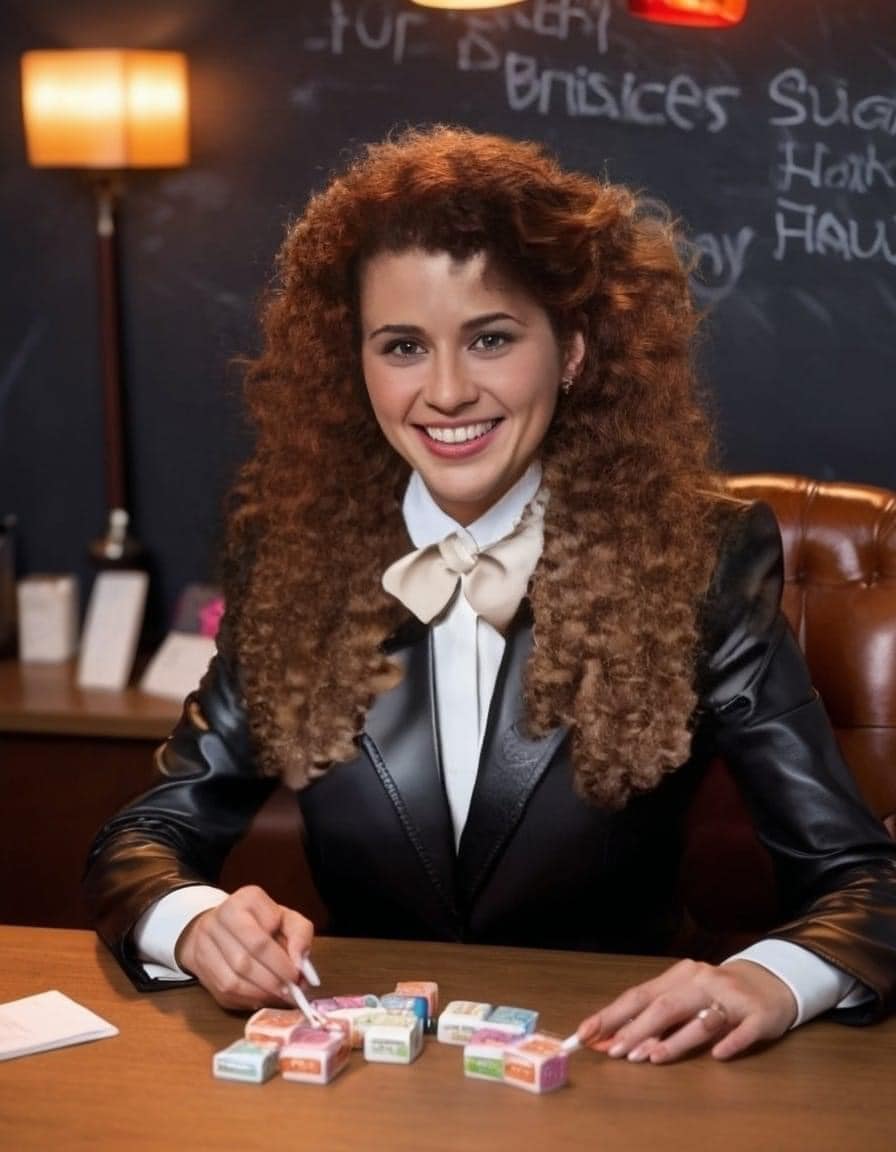
In a world where big hair, neon lights, and power suits reign supreme, Pam Beasley, played by Jenna Fischer, is no longer the soft-spoken receptionist we remember. Pam transforms into a sharp, assertive professional who is just as capable in the boardroom as she is at the front desk.
In this 80s version, Pam is the quintessential working woman—strong, ambitious, and ready to take on the male-dominated corporate world. Her wardrobe has undergone a significant upgrade: gone are the cardigans and soft colors, replaced by structured blazers and crisp white shirts that command respect.
Her look is a far cry from the warm, friendly demeanor we knew from the Scranton branch of Dunder Mifflin. This Pam is focused, determined, and clearly in control of her surroundings.
FREE Gun Law Map: Laws Don't Pause During Social Unrest
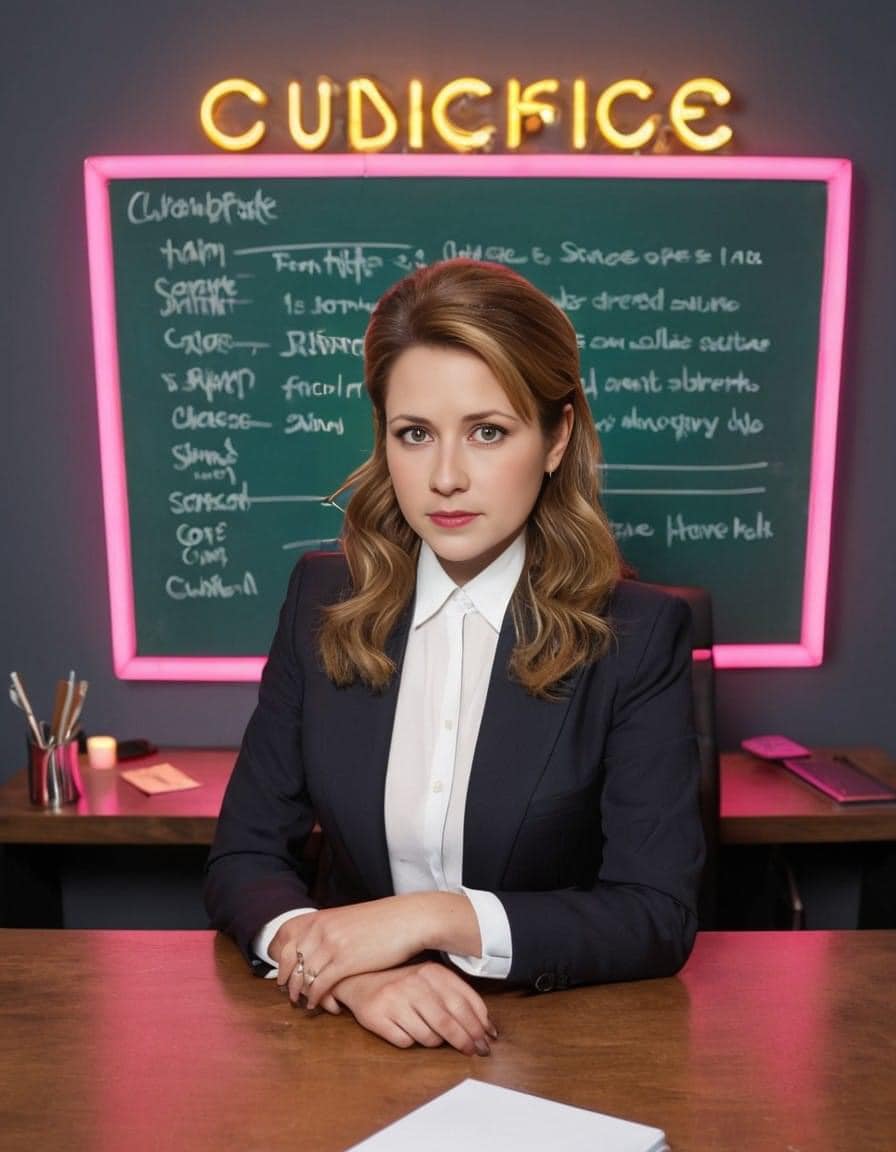
The chalkboard behind her, filled with notes and ideas, showcases her role as a strategist and thinker. In this alternate reality, Pam is not just a receptionist; she’s an integral part of the decision-making process, contributing innovative ideas to push the company forward.
She’s embraced the 1980s ethos of "more is more," not just in style but in substance. Her evolution from a background player to a key figure in The Office is a testament to the decade’s influence on women in the workplace.
Pam Beasley of the 1980s is a symbol of empowerment and change. She embodies the era’s drive for success and the breaking of glass ceilings, proving that even the most unassuming characters can evolve into icons of strength and independence.
"Creed Bratton"
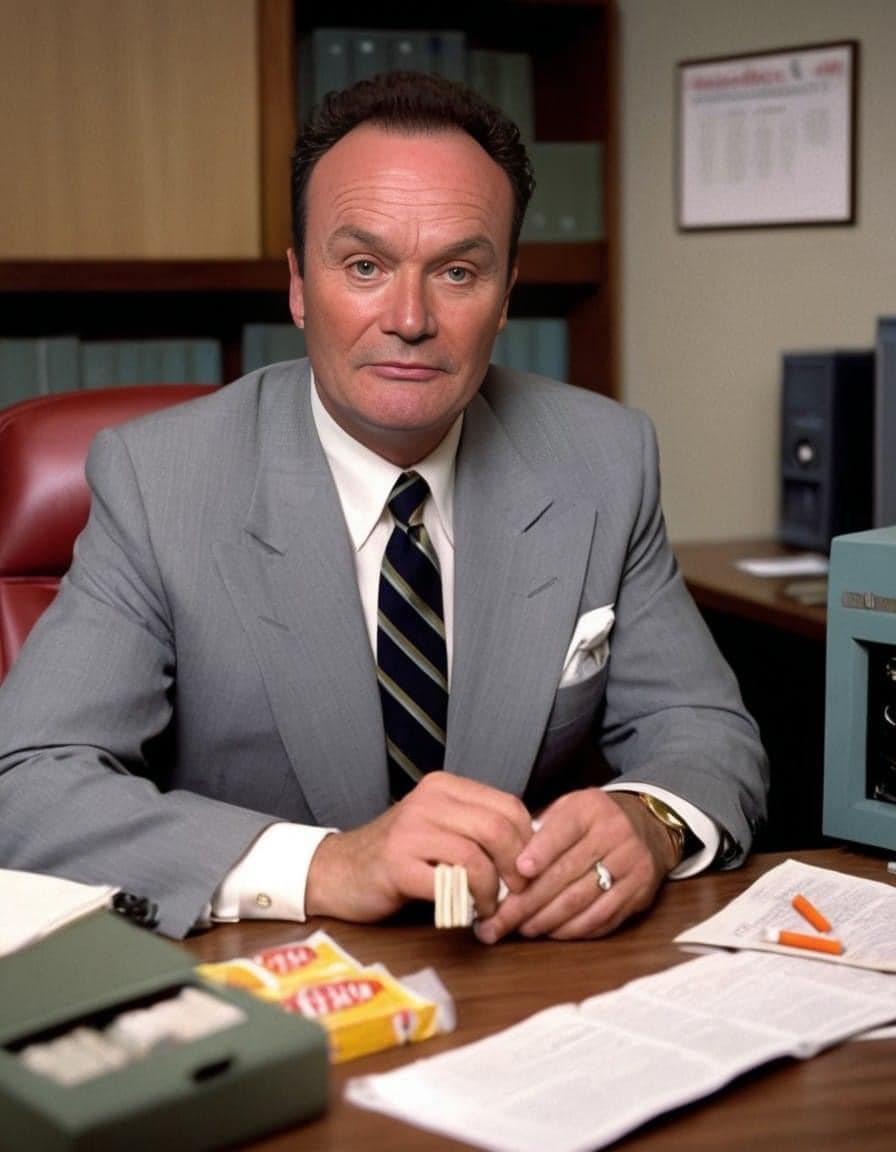
Creed Bratton emerges not just as the quirky and mysterious quality assurance director, but as the embodiment of the business culture of the time. The images portray Creed in a sharp gray suit, complete with bold ties and a slicked-back hairstyle that screams 1980s power dressing.
His look suggests a blend of calculated professionalism and the offbeat charm that fans of The Office have come to love.
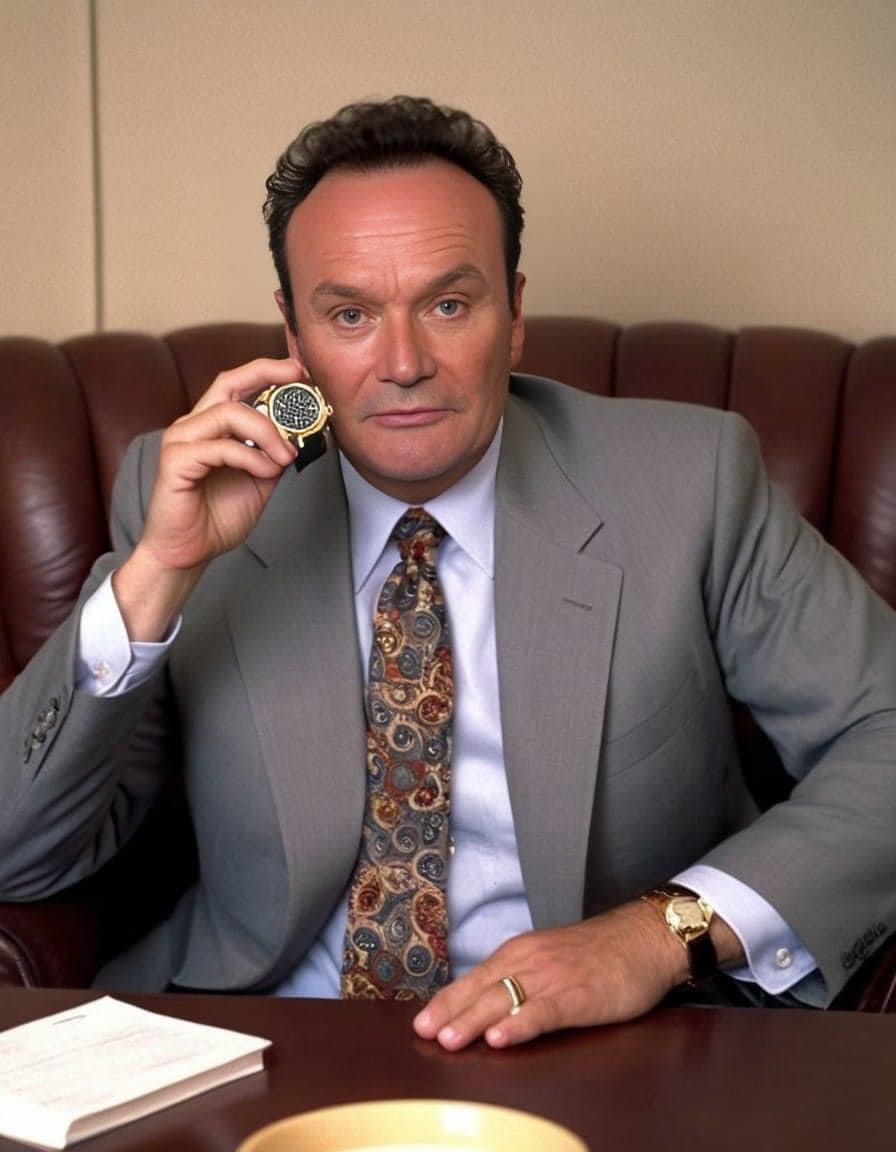
In this 1980s version, Creed is the quintessential corporate operator, navigating the cutthroat world of business with a mix of cunning and eccentricity.
His office, adorned with the era's signature bulky technology and stacks of paperwork, hints at a man who is both entrenched in his work and in his own enigmatic world.
The images depict him with a confident expression, holding a vintage watch to his ear as if he’s listening to the ticking of his next scheme, or perhaps just contemplating the mysteries of time itself.
This Creed is the kind of guy who might be hiding secrets in his desk drawer—literal or figurative—and has a Rolodex filled with contacts from all walks of life, from stockbrokers to shady characters. His 1980s persona might even have him doubling as a saxophone player in a jazz band on weekends, blending his office life with an era-appropriate musical passion.
Overall, this version of Creed Bratton is a fascinating mix of 1980s business savvy and the same unpredictability that made his character a standout in the original series.
"Andy Bernard"
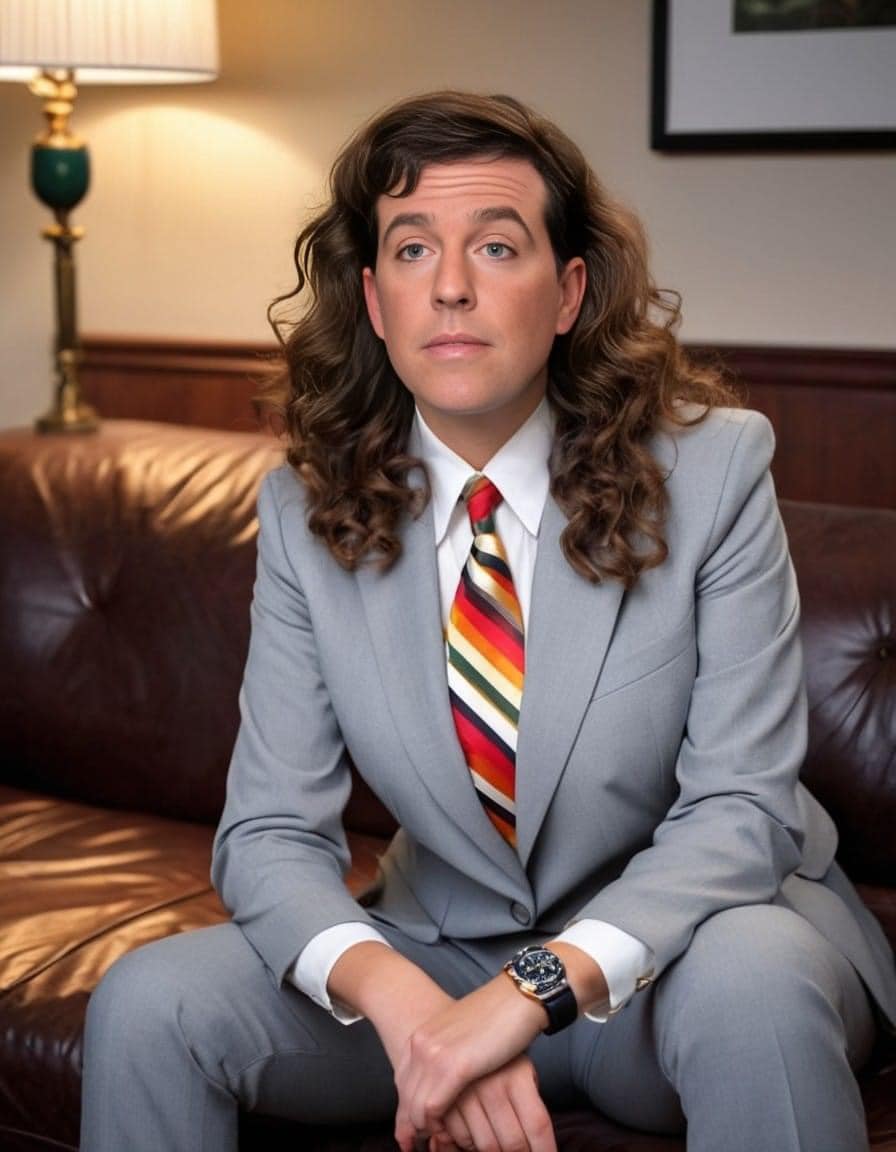
The 'Nard Dog'—better known as Andy Bernard, played by Ed Helms, from the hit TV series The Office—has always been a character full of quirks, with his preppy fashion sense, acapella antics, and relentless optimism. But what if we took Andy and transported him back to the 1980s, the era of big hair, power suits, and unapologetically bold fashion statements?
MORE NEWS: BOMBSHELL: DHS Reportedly Finds ZERO Records of Ilhan Omar’s Father’s Citizenship [WATCH]
In this reimagining, Andy Bernard takes on the quintessential 1980s look while still maintaining his characteristic charm. Dressed in a sharp, light-gray suit, he exudes the confidence of a young professional climbing the corporate ladder.
The suit, though classic, is punctuated with a bold, multi-colored striped tie, a hallmark of the decade's daring fashion trends. It's not just a tie; it's a statement, much like Andy himself—loud, colorful, and impossible to ignore.
But it's not just the clothes that have been transported back in time. Andy’s hair, a voluminous cascade of curls, is a nod to the era’s obsession with big hair. Gone are the days of his neat and tidy look; this 1980s version of Andy embraces the era's ethos of "more is more."
His meticulously styled hair pairs perfectly with his attire, giving him a vibe that's both professional and a little rock 'n' roll.
This retro version of Andy Bernard would still be the same lovable, slightly awkward character fans adore, but with a flair that's distinctly 1980s. He'd be the kind of guy who could belt out an acapella version of a Wham! hit while effortlessly closing a business deal—perhaps with a rotary phone in hand.
In this alternate timeline, Andy Bernard isn't just a Dunder Mifflin salesman; he's a walking embodiment of 1980s culture, blending his unique personality with the decade's unforgettable style. And while the world around him might have changed, one thing remains the same: the 'Nard Dog' is always ready to entertain.
"Toby Flenderson"
MORE NEWS: Trump Teases the Ukraine-Russia War Origin Story the Media Doesn’t Want You to Hear [WATCH]
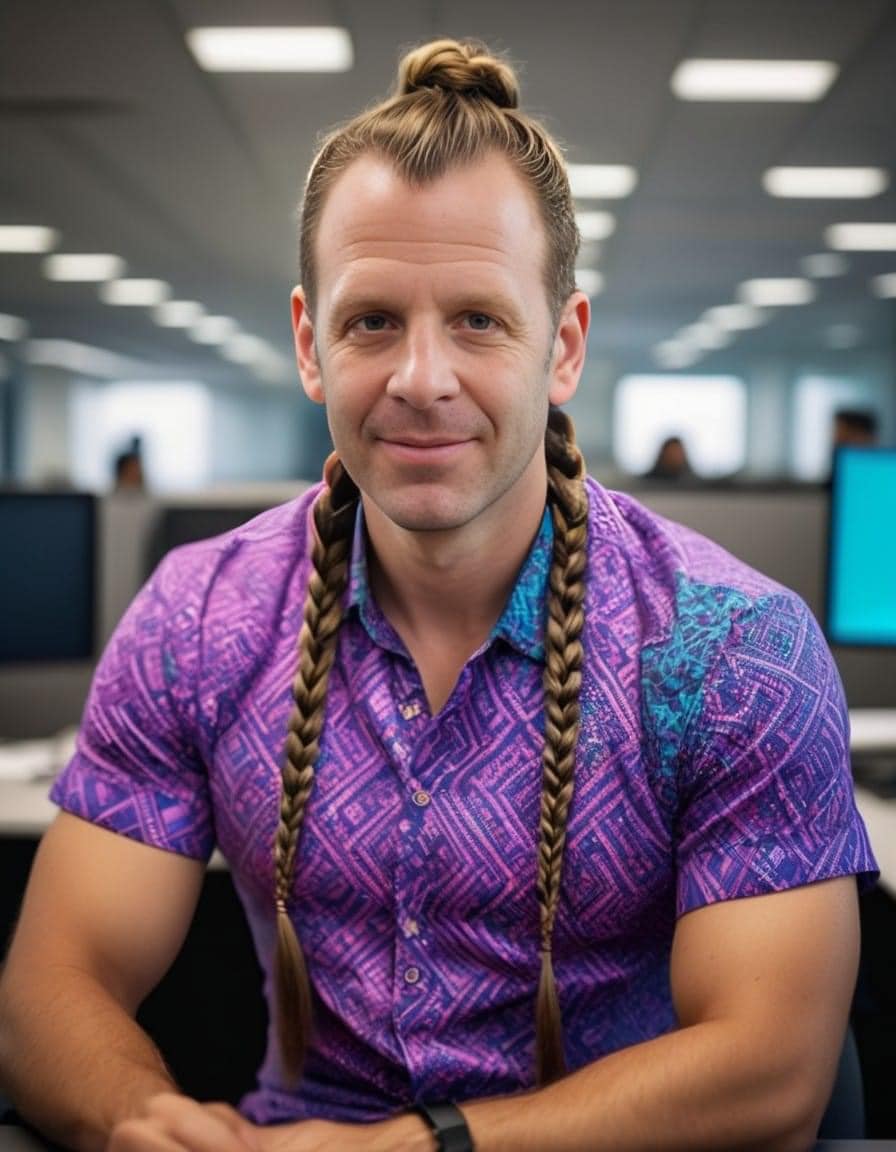
Toby Flenderson, played by Paul Lieberstein, the soft-spoken HR representative from Dunder Mifflin, takes on a whole new persona. Gone are the drab cardigans and melancholy air that we associate with Toby. Instead, this 80s version of Toby embraces the era’s vibrant energy and quirky fashion with open arms—and braids.
Picture Toby, but with a twist: his sandy blonde hair now styled into two long, meticulously braided pigtails, reminiscent of a rock star who just returned from a weekend at a music festival.
His signature style now includes brightly patterned, short-sleeved button-down shirts that scream "retro cool." Toby 2.0 is not just a paper-pushing HR guy—he's a man who knows how to stand out, even in the most mundane office environment.
This Toby, while still embodying the quiet, introspective nature we've come to know, has a new layer of confidence. Perhaps it’s the 80s influence, where individuality was celebrated and rules were bent. This version of Toby doesn't just navigate the tedious world of HR; he does so with a smile, a little more swagger, and a wardrobe that makes Michael Scott’s suits look even more outdated.
Toby isn’t just the guy who enforces company policy. He’s the unexpected trendsetter of The Office—a man who subtly influences the corporate culture with his unique flair. The 1980s have given Toby Flenderson a second chance to shine, and he’s grabbing it with both hands, pigtails flowing behind him as he strides confidently through the fluorescent-lit hallways of Dunder Mifflin.
"Jan Levinson"
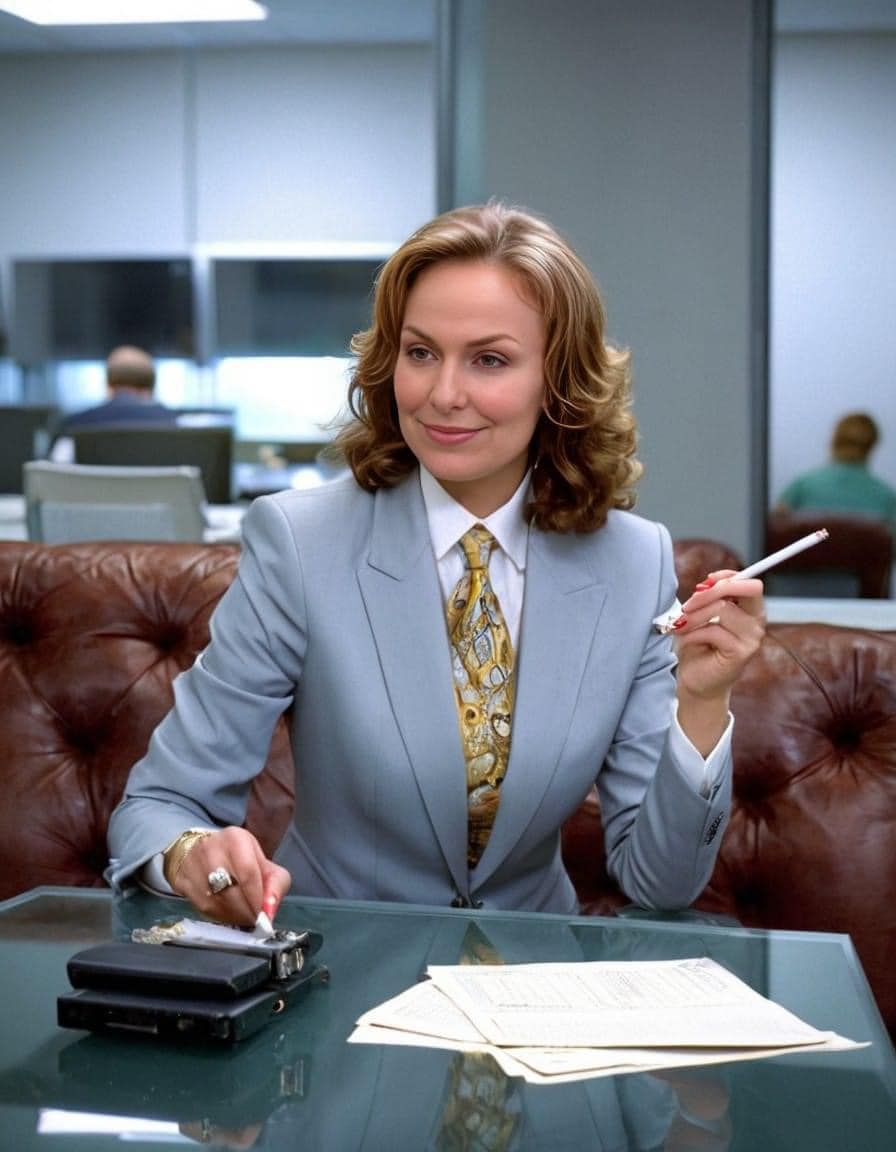
Jan Levinson, played by Melora Hardin, was always a character who exuded confidence, determination, and a certain unapologetic ambition. But imagine Jan transported to the corporate jungle of the 1980s—a time of shoulder pads, power suits, and the height of corporate excess.
The image of Jan Levinson in the 1980s is striking. Dressed in a sharp, light blue suit, complete with a bold, patterned tie, she perfectly embodies the era's corporate aesthetic.
The look is completed by her neatly styled hair and an expression that speaks of both poise and an unwavering focus on her goals. This is a Jan Levinson who is not only comfortable in the high-stakes world of business but thrives in it.
MORE NEWS: Sunny Hostin Humiliates Herself with Smug Joe Rogan Fact Check on Biden Border Disaster [WATCH]
In this reimagined world, Jan would be a formidable figure in any boardroom. Her sharp wit and strategic mind would make her a force to be reckoned with, and her ability to navigate the often cutthroat corporate environment would be unmatched. This version of Jan, with her cigarette in hand and a steely gaze, would be at home in a world where deals are made over long lunches and the pressure to succeed is immense.
Yet, even in the 1980s, Jan's complexities would remain. Beneath the tough exterior, there would still be the vulnerabilities that make her such a compelling character. Her journey would be one of balancing ambition with personal fulfillment, in an era that often demanded sacrifice in the pursuit of success.
This 1980s Jan Levinson is a fascinating blend of power, elegance, and depth—a true icon of her time.
"Robert California"
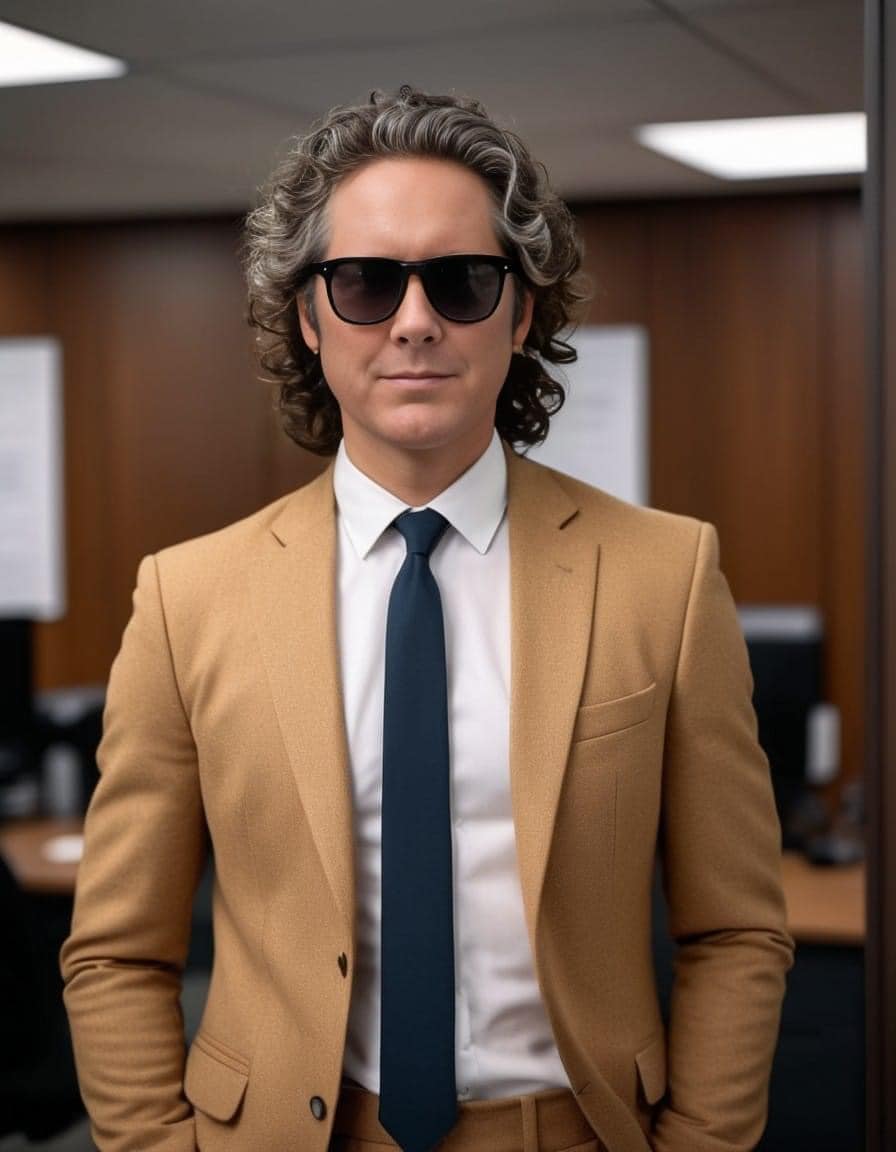
Robert California, played by James Spader, is more than just the enigmatic and unpredictable CEO of Dunder Mifflin—he’s a corporate maverick, an untamable force in a world of pastel power suits and excess. With his unruly curls, sharp camel blazer, and ever-present aviator sunglasses, California embodies the decade's style while maintaining his aura of mystery and intellect.
The 1980s version of Robert California isn’t just a businessman; he’s a larger-than-life figure who dominates every room he enters. His wardrobe, a mix of bold yet refined choices, reflects the decade’s love for high fashion and individualism.
The camel blazer, expertly tailored, hints at wealth and power, while the dark tie adds a level of seriousness that contrasts with his more eccentric personality traits.
In this era, California’s mind games and psychological insights would be less about manipulation and more about pushing the boundaries of traditional corporate culture. He would likely be seen as a visionary, perhaps even a guru, leading a new wave of business thinking where emotional intelligence meets ruthless efficiency.
Yet, beneath the surface, the 1980s Robert California remains a mystery. He’s a man who, despite his outward confidence and style, is constantly testing the limits of those around him. His presence in The Office would be both inspiring and unsettling, making him a figure that employees both admire and fear.
MORE NEWS: Sunny Hostin Humiliates Herself with Smug Joe Rogan Fact Check on Biden Border Disaster [WATCH]
In this alternate timeline, Robert California is not just a CEO; he’s an icon of the 1980s, a man whose influence extends far beyond the walls of Dunder Mifflin. He’s a symbol of the decade’s excess, power, and the ever-elusive quest for meaning in a world that’s constantly changing.
"Todd Packer"
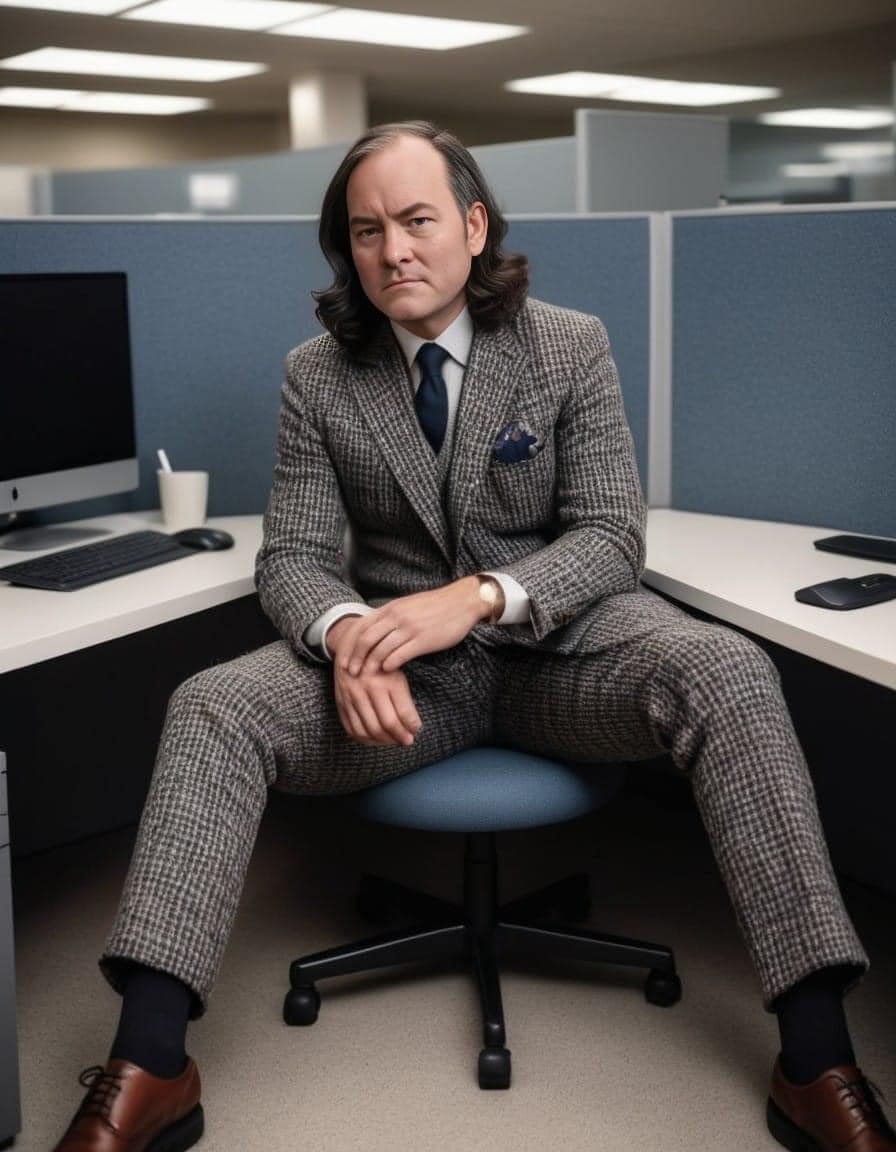
Todd Packer, played by David Koechner, the infamous traveling salesman from The Office, takes on a whole new persona. Instead of the crude, loudmouthed jokester we remember, Packer is transformed into a sharply dressed, enigmatic figure who still exudes the same confidence but with a darker, more calculated edge.
The reimagined Todd Packer is no longer the brash party animal but a corporate predator in a world of power suits and boardroom battles. His signature tweed suit, perfectly tailored and worn with an air of superiority, reflects the era's obsession with power dressing.
The deep, steely gaze and the subtle sneer on his face suggest a man who has seen it all, done it all, and is ready for more—no matter the cost.
Gone are the wild pranks and offensive humor, replaced by biting sarcasm and a cold, strategic mind. Packer’s office isn’t just a place to work; it’s a battleground where he maneuvers with the precision of a chess grandmaster. He’s the type of guy who would use a long lunch not to bond with coworkers but to outmaneuver them in a ruthless game of corporate politics.
In this 1980s reimagining, Todd Packer is still the man you love to hate, but now with a touch of Wall Street flair.
He’s more likely to close a million-dollar deal with a smirk than crack a joke, making him a figure as captivating as he is unsettling. This version of Packer fits perfectly into the cutthroat corporate world of the ’80s, where the stakes are higher, and the players are deadlier.
Join the Discussion
COMMENTS POLICY: We have no tolerance for messages of violence, racism, vulgarity, obscenity or other such discourteous behavior. Thank you for contributing to a respectful and useful online dialogue.