WHAT YOU NEED TO KNOW
- Idaho Army National Guard crews supported three successful rescue missions over four days, helping save four people in remote terrain.
- HH-60 Black Hawks provided the high altitude and hoist capabilities needed to extract injured or stranded people.
- The missions involved a missing man, a man with a broken leg and a married couple who suffered broken bones while hiking.
- The Idaho Army National Guard has assisted in 11 such operations this year, according to a Department of War press release.
The Idaho Army National Guard supported three successful search and rescue missions across four days, helping rescue four people from difficult and remote terrain.
The operations took place in Ada and Custer Counties on Sept. 16, 17 and 19.
Army National Guard flight crews worked alongside local search and rescue teams during the missions.
Those efforts placed Guard personnel and specialized aircraft where challenging terrain made reaching injured or stranded people especially difficult.
The Idaho unit operates HH-60 Black Hawk helicopters capable of reaching high altitudes.
The Black Hawks are also the only aircraft in Idaho equipped with the hoist capability needed to extract injured, sick or stranded people from remote locations.
That capability was central to the string of rescues. Across the three operations, the flight crews assisted local teams confronting separate emergencies involving a missing man, an injured man and a married couple who suffered broken bones while hiking.
The first mission occurred Sept. 16, when the unit worked with Boise County Search and Rescue and Idaho Mountain Search and Rescue.
FREE Gun Law Map: Laws Don't Pause During Social Unrest
The teams were searching for a man, 59, who had been missing in Boise National Forest since Sept. 13.
The Idaho Army National Guard helped extract the missing man from the forest. Following the rescue, he was treated at a civilian medical facility.
Another call came the next day. On Sept. 17, Idaho Army National Guard flight crew members joined an operation near Stanley, Idaho, to rescue a man, 77, who had suffered a broken leg.
Chief Warrant Officer 3 Theron Cameron and Chief Warrant Officer 3 Patrick Perry participated in that rescue.
MORE NEWS: California Burns $11 Billion a Year on ‘Shadow Welfare System’ for Illegal Aliens [WATCH]
Officer Candidate Jess Adamson and Staff Sgt. Adam Brundy were also part of the mission.
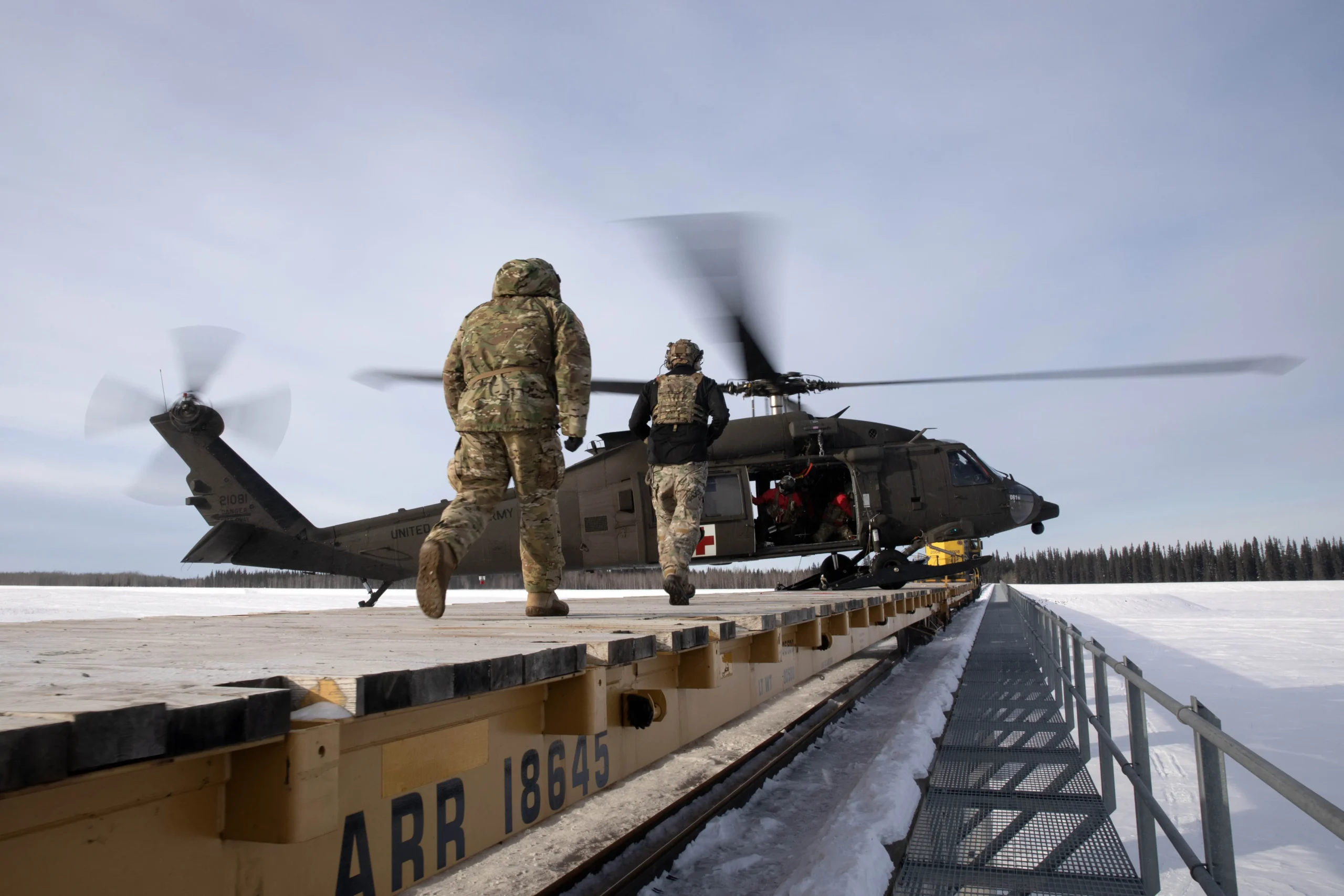
The week’s third operation unfolded two days later on Sept. 19. According to the Army National Guard’s Facebook post, the flight crew supported an operation in Custer County involving a husband and wife.
Both hikers had broken bones during a hike near Challis, Idaho. The Idaho Army National Guard crew again brought its aircraft and extraction capability to a mission in remote terrain.
Those three rescues were part of a broader series of operations supported by the Idaho Army National Guard this year.
According to a Department of War press release, the unit has assisted in 11 such operations during the year.
One of those earlier missions occurred Sept. 8 near Council Mountain, Idaho. In that operation, the Idaho Army National Guard helped rescue a hunter who had an arrow lodged in his calf.
A medic and a civilian helicopter were already at the scene, but the difficult terrain prevented the helicopter from landing.
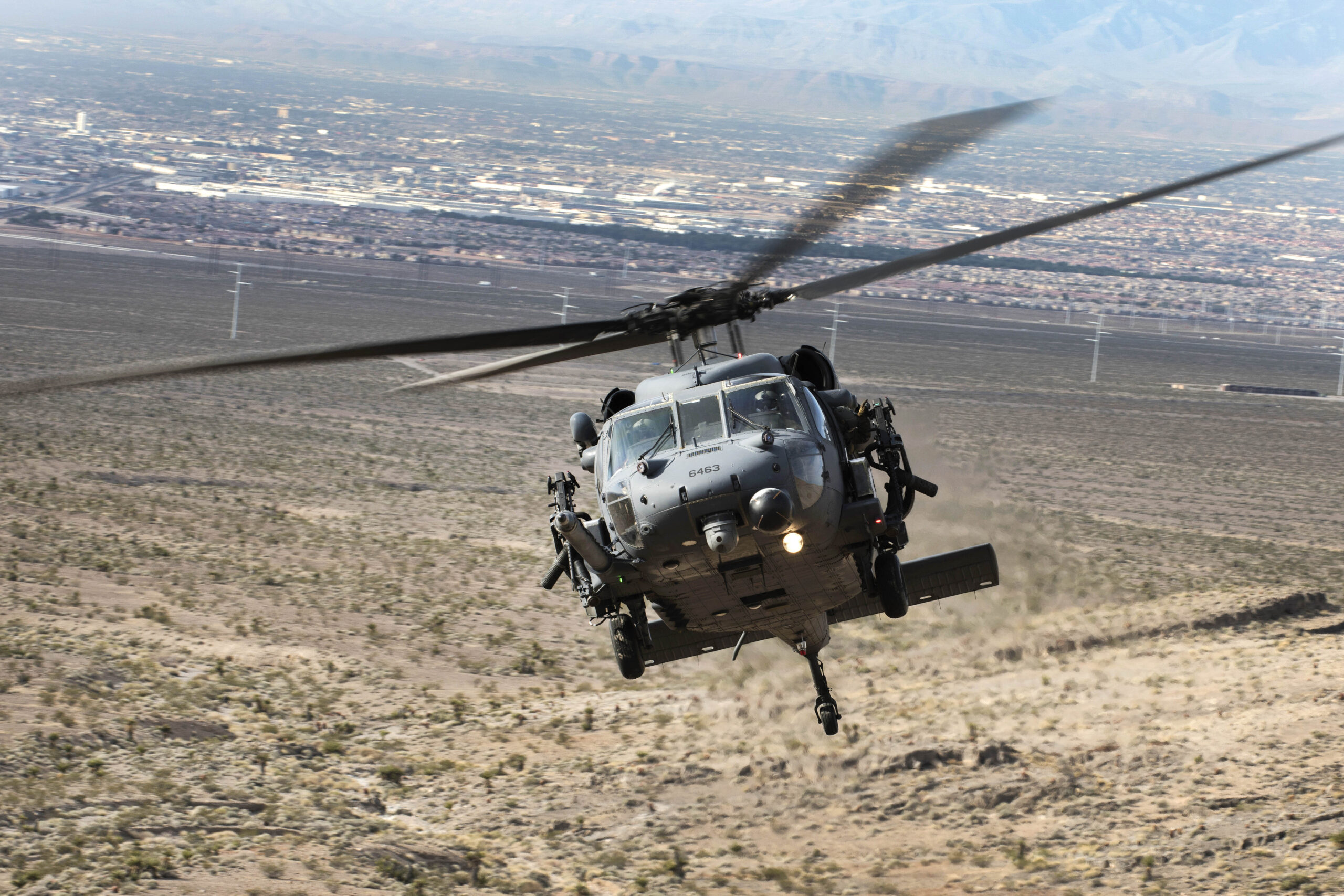
The Army National Guard flight crew responded and hoisted both the injured hunter and the medic from the area for further treatment.
The missions highlighted the specific role of the unit’s HH-60 Black Hawks. Their high altitude performance and hoist equipment allow crews to reach people in places where terrain blocks other aircraft from landing.
The Army National Guard, Coast Guard and Air National Guard provide critical capabilities and equipment for difficult and complex rescue missions across the country.
In Idaho, last week’s operations put those capabilities to work three times in four days.
Air Force Maj. Gen. Tim Donnellan, who serves as adjutant general of Idaho, pointed to the range of environments in which Guard personnel are prepared to serve.
His comments connected emergency response at home with the Guard’s support for combat operations overseas.
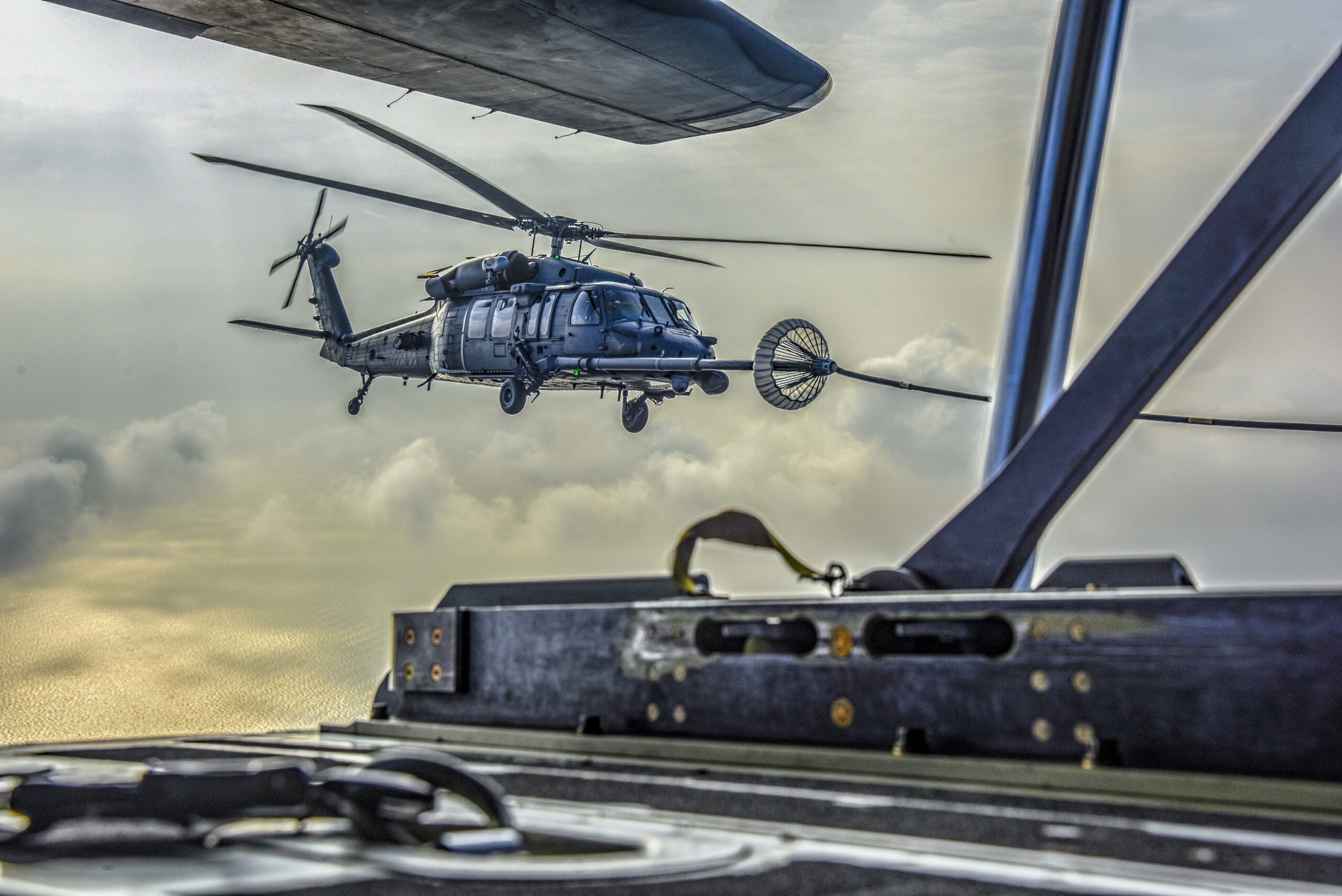
“Whether our soldiers are serving overseas in support of combat operations or responding to an emergency here at home,” said Air Force Maj. Gen. Tim Donnellan, who serves as adjutant general of Idaho, “the Idaho National Guard is trained to operate in some of the most challenging environments imaginable.”
For the four people rescued during the three September missions, that training was put into action across forests, mountain terrain and hiking areas.
The flight crews worked with local responders while using aircraft uniquely equipped for Idaho’s remote rescue demands.
The opinions expressed by contributors and/or content partners are their own and do not necessarily reflect the views of BoredTrashPanda.com. Contact us for guidelines on submitting your own commentary.
Join the Discussion
COMMENTS POLICY: We have no tolerance for messages of violence, racism, vulgarity, obscenity or other such discourteous behavior. Thank you for contributing to a respectful and useful online dialogue.