WHAT YOU NEED TO KNOW
- Retired SR-71 tail number 844 disappeared from its display location outside NASA’s Neil Armstrong Flight Research Center at Edwards Air Force Base.
- Two former SR-71 engineers reportedly received offers to join a NASA led program aimed at returning the aircraft to flight.
- Missing parts, destroyed spare supplies and specialized JP-7 fuel present major obstacles to any possible Blackbird revival.
- NASA acknowledged the rumors but declined to confirm plans, while administrator Jared Isaacman has discussed rebuilding the agency’s X-plane fleet.
A retired SR-71 Blackbird has disappeared from its longtime display location in California’s high desert, fueling unconfirmed reports that NASA could be considering a return to flight for one of aviation’s most legendary aircraft. The development appears linked to a broader NASA effort involving new super fast test aircraft.
The iconic reconnaissance plane flew for more than 30 years before the final black jets were retired in 1999. The aircraft now drawing attention is tail number 844, which was the final SR-71 flown before retirement.
Aviation Week editor Steve Trimble reported on Sept. 24 that aircraft 844 was no longer in its display spot outside NASA’s Neil Armstrong Flight Research Center at Edwards Air Force Base, California. Its disappearance immediately raised questions about where the aircraft had gone.
Trimble reported Tuesday that at least two former engineers from the SR-71 program had been offered roles in a program led by NASA. The reported goal was to return the storied aircraft to the sky, though NASA has not confirmed such a plan.
The two engineers, Mike Relja and Tim Conners, are now in their 70s. Both described to Aviation Week an imposing list of obstacles that would have to be cleared before an original SR-71 could fly again.
Virtually no component used by the SR-71 remains in production, and needed items are unlikely to be gathering dust in some forgotten warehouse. The final tranche of spare parts for the aircraft was destroyed in 2007, leaving any revival effort facing a serious supply challenge.
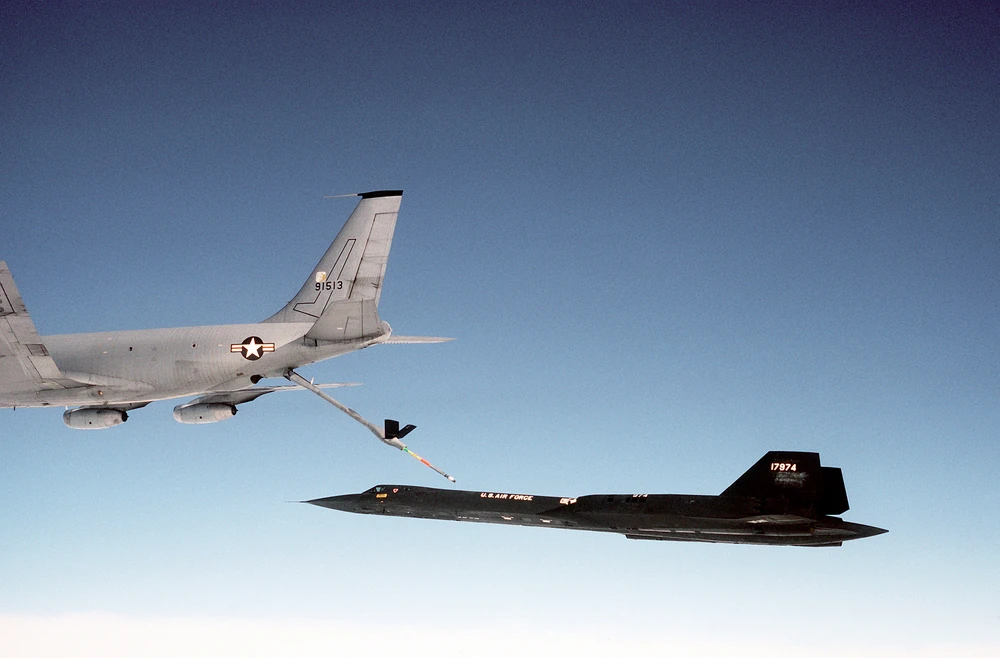
NASA would have to locate or recreate parts ranging from obscure engine components to supplies of the aircraft’s specialized JP-7 fuel. Even for an agency accustomed to experimental aviation, that list makes any Blackbird comeback far more complicated than simply kicking the tires and lighting the fires.
FREE Gun Law Map: Laws Don't Pause During Social Unrest
Edwards may offer one major advantage because its high desert climate is unusually favorable for preserving an aircraft stored outside. The Mojave Desert around the base typically receives less than 6 inches of rain annually and has only traces of humidity, conditions that slow corrosion.
The punishing desert heat also would be unlikely to seriously damage the SR-71’s titanium airframe. During flight at 2,000 miles per hour, atmospheric friction regularly generated temperatures well above 500 degrees Fahrenheit across the aircraft.
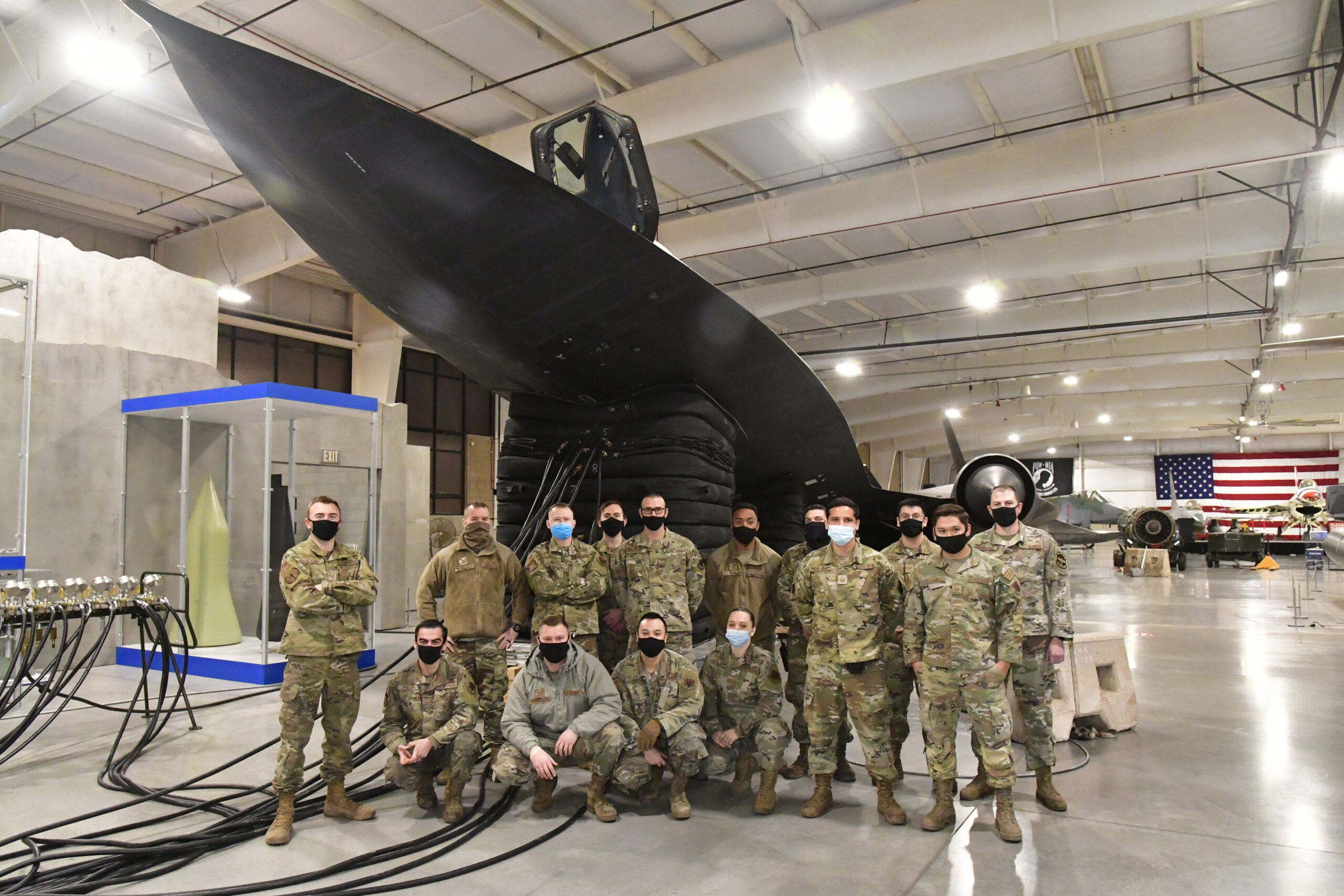
A NASA spokesperson acknowledged that the agency knew about the rumors but stopped well short of confirming any plans. The statement kept the door tantalizingly open while providing no additional details about the missing aircraft.
MORE NEWS: Hunter Biden Keeps Spewing ‘Laptop From Hell’ Lies to Feed His Shameless Publicity Addiction
“NASA has a long history of pushing the boundaries of experimental aviation, and we continue to explore opportunities to build on that legacy,” the spokesperson said in an emailed statement. “We recognize the interest in the SR-71 and its remarkable history at NASA but have no additional information to share regarding the aircraft at this time.”
NASA administrator Jared Isaacman has also said during several public appearances in recent weeks that the agency is rebuilding its fleet of X-planes. Those testbed aircraft have long been used by NASA to develop advanced aviation technologies.
The War Zone and the Aviationist reported on a recent Isaacman speech discussing that X-plane fleet. During the presentation, a displayed slide appeared to include the silhouette of an SR-71, adding another intriguing clue without delivering confirmation.
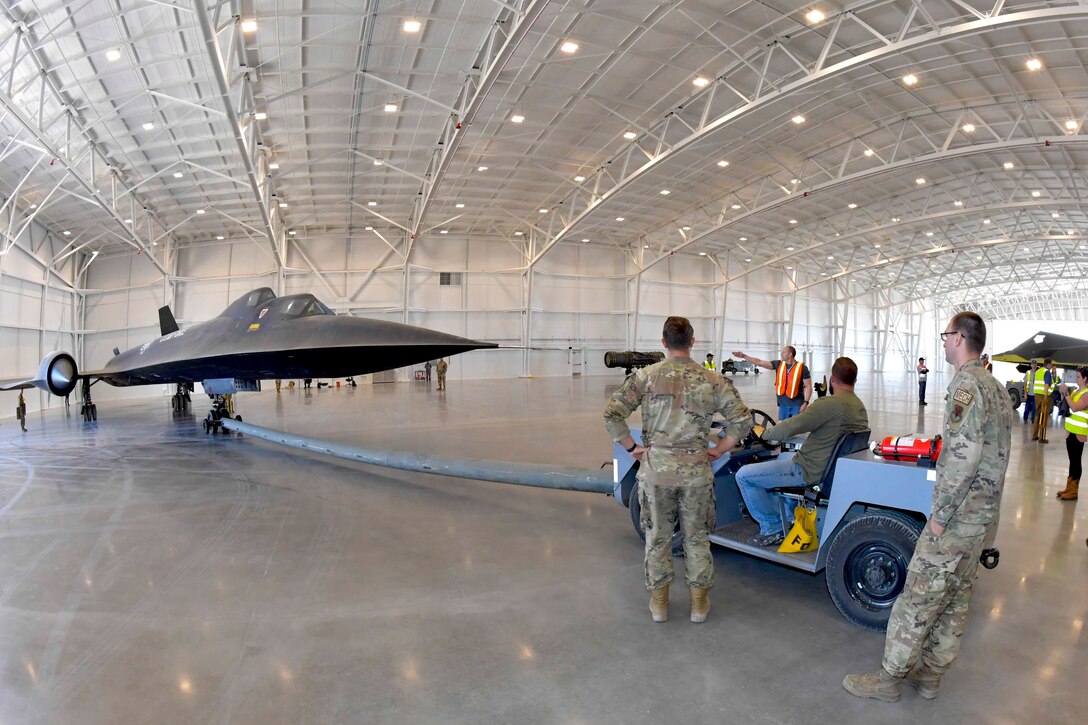
Introduced in 1966, the SR-71 became the defining aircraft of American military aviation dominance following World War II. The black reconnaissance jet was then far faster and capable of flying higher than any other aircraft in aviation history.
Nearly every SR-71 assigned to operational Air Force squadrons flew active combat missions involving secret, high stakes reconnaissance. The jet monitored Soviet naval movements, operated along the Soviet Union’s northern edge and flew missions over Vietnam, North Korea, Libya and other international hot spots.
The aircraft regularly faced live missile launches across hundreds of missions. Its pilots were trained to answer those threats with a brutally simple response: increase the throttle and outrun the missile.
The opinions expressed by contributors and/or content partners are their own and do not necessarily reflect the views of BoredTrashPanda.com. Contact us for guidelines on submitting your own commentary.
Join the Discussion
COMMENTS POLICY: We have no tolerance for messages of violence, racism, vulgarity, obscenity or other such discourteous behavior. Thank you for contributing to a respectful and useful online dialogue.