WHAT YOU NEED TO KNOW
- An F-22 pilot directed an unmanned YFQ-44A Fury during an airborne tactical demonstration earlier this month.
- The Fury’s autonomy software interpreted the pilot’s directives and performed flight maneuvers and simulated combat tasks in real time.
- The Air Force plans to use demonstration data for software integration, developmental testing and future Collaborative Combat Aircraft concepts.
- The service intends to field 500 systems ready for combat by 2032, with an overall planned fleet of 1,000.
An F-22 Raptor controlled a YFQ-44A Collaborative Combat Aircraft during a flight demonstration earlier this month, advancing the U.S. Air Force’s effort to field unmanned aircraft described as “loyal wingmen.” The service announced the achievement after the fighter completed airborne tactical command and control of the aircraft.
The F-22 pilot acted as an airborne “quarterback” during the demonstration. From the fighter, the pilot issued broad directives to the YFQ-44A Fury, an unmanned and partly autonomous aircraft made by Anduril.
The Fury’s onboard autonomy software interpreted those commands and carried them out in real time, according to the Air Force announcement. During the flight, the aircraft performed maneuvers and simulated combat tasks while operating under the F-22 pilot’s direction.
The demonstration placed the pilot in a command role rather than requiring detailed control of every action. The aircraft’s software handled the execution of the directives, showing how a crewed fighter and an unmanned platform could operate together during tactical missions.
“This achievement demonstrates what is possible when we are aligned with industry on a shared imperative: delivering capability to the warfighter at unprecedented speed,” Secretary of the Air Force Troy Meink said in the announcement.
“We are driving urgency into every part of acquisition from rapid integration and flight learning to disciplined assessment, so we can turn promising technology into combat capability at the pace the threat demands,” Meink continued.

Personnel from several Air Force organizations collaborated during the demonstration. They included the 412th Test Wing, 422nd Test and Evaluation Squadron, 309th Software Engineering Group, Experimental Operations Unit, F-22 System Program Office and the CCA Software Autonomy and Teaming Branch.
FREE Gun Law Map: Laws Don't Pause During Social Unrest
The Air Force plans to use information collected during the event to guide software integration and developmental testing. The data will also help inform further concepts for Collaborative Combat Aircraft as the service continues evaluating how the systems may operate.
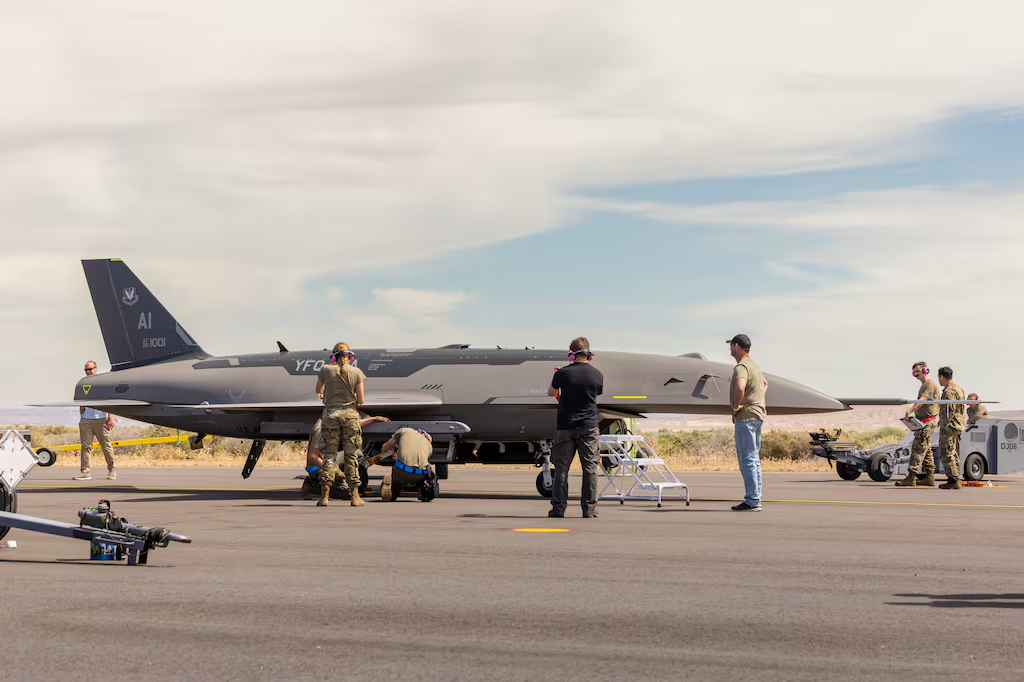
The flight follows other milestones in the Air Force’s CCA development effort. The service has announced that it intends to have 500 systems ready for combat by 2032, with an overall planned fleet of 1,000 partly autonomous aircraft.
Anduril’s Fury previously completed its first live fire test at Edwards Air Force Base, California, in July. During that event, the aircraft conducted a complete strike sequence against a simulated target while operating beyond line of sight.
MORE NEWS: Leavitt Delivers Blunt Verdict on Zacharia Debacle as Trump Hunts for New Press Secretary [WATCH]
The latest F-22 demonstration moved the Fury program into another phase by testing airborne tactical command from a crewed fighter. The aircraft responded to the pilot’s directives by using its autonomy software to perform assigned maneuvers and simulated combat activities.
At the same time, the Air Force has continued making progress with General Atomics’ FQ-42A Vengeance. That Collaborative Combat Aircraft was delivered to Creech Air Force Base, Nevada, last month for continued regular test and evaluation operations.
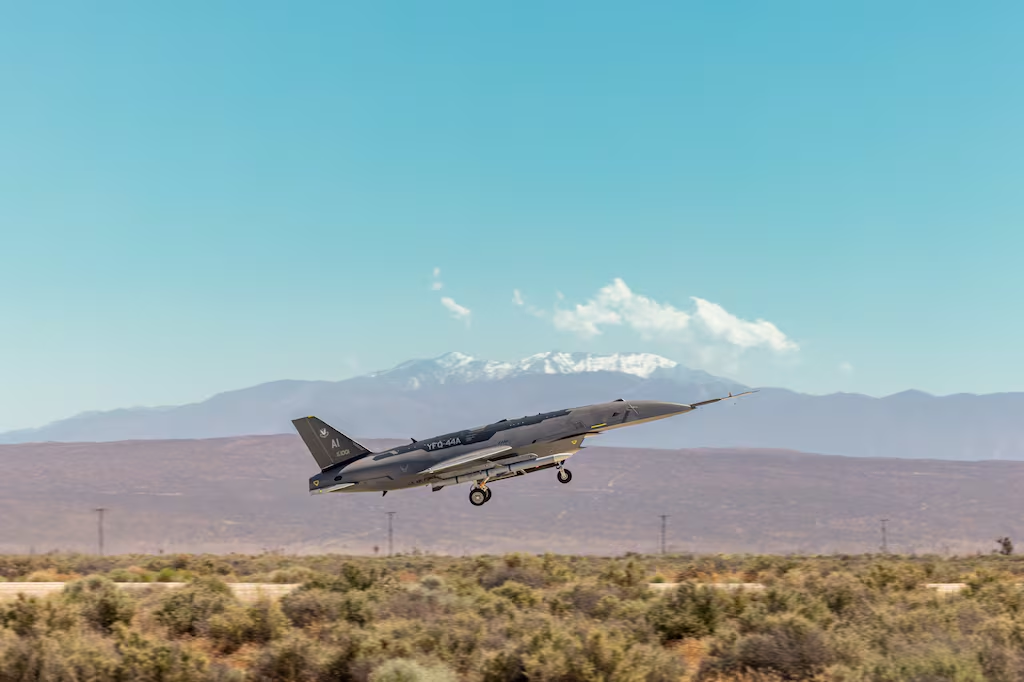
Anduril has not announced which Air Force base will house the Fury. Creech airmen, however, previously conducted an Agile Combat Employment exercise using the defense company’s aircraft.
That exercise allowed airmen to complete sorties while developing foundational tactics and procedures. Those lessons are expected to shape how Collaborative Combat Aircraft are integrated into the force as testing and evaluation continue.
The Fury and Vengeance represent separate industry contributions to the Air Force’s Collaborative Combat Aircraft effort. Both have reached testing milestones, with Fury completing the strike test and airborne control demonstration while Vengeance moved to Creech for regular evaluation work.
For the Fury demonstration, the central achievement was the successful connection between the F-22 pilot’s tactical direction and the unmanned aircraft’s autonomous execution. The Air Force now plans to apply the event’s data to software work, developmental testing and future CCA concepts.
The service’s announced objective remains 500 systems ready for combat by 2032 and an overall fleet of 1,000. This month’s flight provided another test of the command relationship envisioned between a crewed fighter pilot and an unmanned Collaborative Combat Aircraft.
The opinions expressed by contributors and/or content partners are their own and do not necessarily reflect the views of BoredTrashPanda.com. Contact us for guidelines on submitting your own commentary.
Join the Discussion
COMMENTS POLICY: We have no tolerance for messages of violence, racism, vulgarity, obscenity or other such discourteous behavior. Thank you for contributing to a respectful and useful online dialogue.