Death is a natural part of life, but it's still never easy when a loved one passes way. Luckily, there are people in the world whose job it is to help us through these difficult times.
Funeral directors have a big responsibility. They make sure people get the best funeral possible, but to make that happen, there are a lot of things that go on behind the scenes.
Whether it is the way that the body is presented, or awkward things they have to do in preparation for the funeral, there is a lot going on that you might never expect.
1. They have to use special lighting at funerals. Embalming will restore some of the rosiness to your loved one's skin due in part to the red dye that is used in the formaldehyde, but the grey tones are still hard to hide. To counteract this, some funeral directors use rose-colored light bulbs to bring a bit of brightness to the body.

2. Getting a peaceful expression can take a lot of work. Getting a person ready for an open casket isn't easy. Funeral directors complete a process called "setting the features." They have to fill the throat and nose with cotton before they sew the mouth closed. They also have special spiked cup that are placed under the eyelids to keep them from caving in or opening.
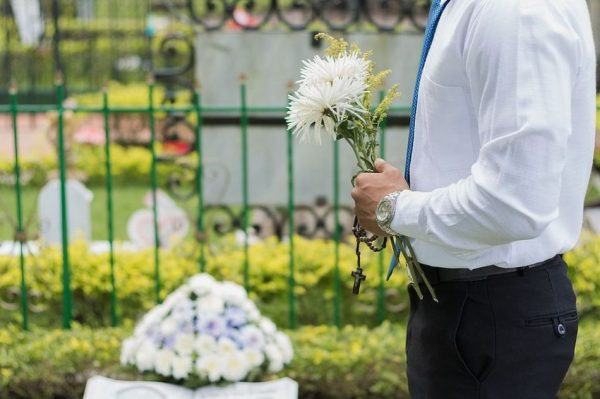
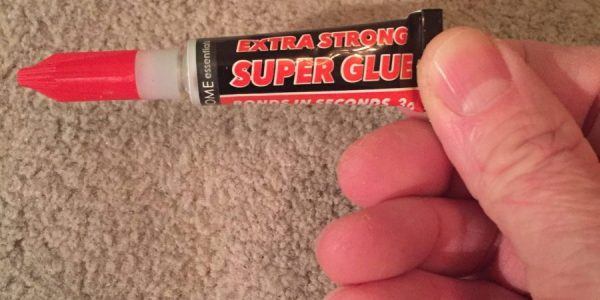
3. Their secret tool is something you probably have in your desk drawer. If the special tools don't quite do the job, they've been known to use super glue to hold the eyelids and mouths closed. They also use it to close up any wounds on the body and to make the skin seem smoother. Another trick they sometimes use to keep the hands neatly folded is to gently bind their thumbs together with a ponytail tie.
FREE Gun Law Map: Laws Don't Pause During Social Unrest
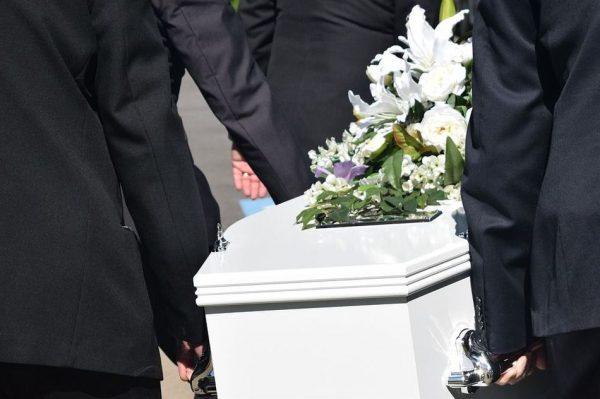
4. "Protective" caskets aren't always worth the money and may even result in an explosion. While these caskets claim to vacuum seal the casket to prevent outside elements from getting in, sealing a casket that tightly can be dangerous. Decaying bodies give off methane gas and a buildup of that gas can lead to what is known as "exploding casket syndrome" which can cause the lid to blow off.
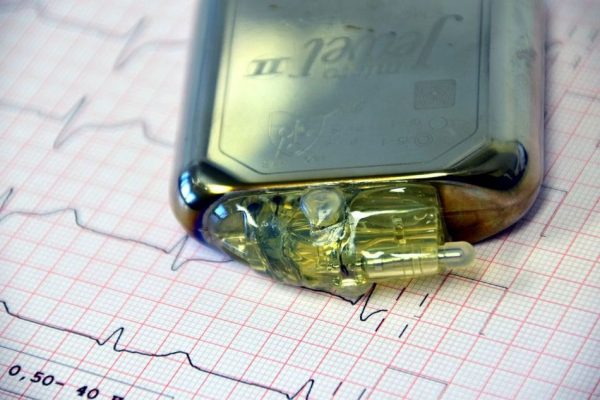
5. Certain things have to be removed from the body before cremation. If a family decides to have a body cremated, funeral workers must remove any pacemaker before the process. If a pacemaker is left in the body, it can result in an explosion and cause thousands of dollars of damage to the machine. Metal joints, like hips and knees, are also often removed.
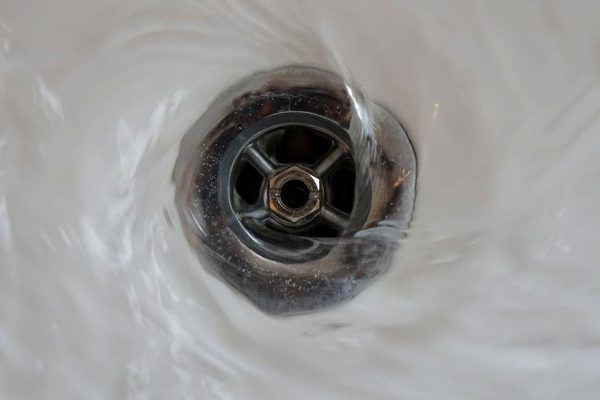
6. There isn't a special way to dispose of "funeral waste." While you may think all the chemical and bodily fluids require special methods of disposal, the standard practice in the industry is to simply wash it all down the drain. The fluids travel into the sewer system and are filtered by the water treatment plants.
7. There is a reason why you never see bodies being pick up in various locations. You may think that a funeral director drives a hearse around all the time, but in reality those are just for the actually ceremony. Instead, they have discrete vans they use to transport bodies so the general public tends to ignore them.

8. There are restrictions about where someone can be buried. While you may think that being buried under a big tree sounds ideal, funeral directors can't make that happen. A body must be buried at least four feet from a tree to protect it's root system. So instead of being buried under a tree, most funeral directors recommend that the family plant a new tree over the body after it has been laid to rest.

9. Funeral homes provide funeral at no cost for stillborn babies and young children. It is a tradition in the funeral industry to provide funerals to these families at no cost. Funeral directors don't care to make a profit from the death of a child. There are also organizations that will help out with any remaining costs so grieving parents don't have to pay a large sum of money for their child's funeral.

10. The mortician can make your loved ones favorite outfit. If you have an outfit that you know your loved one would want to be buried in but it doesn't quite fit anymore, you should still bring it. Morticians can usually make the clothing fit by cutting it and securing it so it looks as though they're wearing it properly.

While losing someone is never easy, at least now you have an idea of what goes on behind the scenes. Be sure to share this with your friends and family so they can know this insightful information too.
The opinions expressed by contributors and/or content partners are their own and do not necessarily reflect the views of BoredTrashPanda.com. Contact us for guidelines on submitting your own commentary.
Join the Discussion
COMMENTS POLICY: We have no tolerance for messages of violence, racism, vulgarity, obscenity or other such discourteous behavior. Thank you for contributing to a respectful and useful online dialogue.