WHAT YOU NEED TO KNOW
- AMATS has already saved $180 million by reducing unnecessary parts replacement, improving aircraft availability, and helping units schedule maintenance proactively.
- The system can identify a faulty C-130 engine wire in about 20 seconds, cutting a troubleshooting process that previously required about 12 hours.
- AMATS is approved for permanent installation on roughly 130 AC-130J, HC-130J, and MC-130J aircraft.
- Cordroch said savings could exceed $10 billion as the technology expands across the C-130 fleet and potentially reaches other military platforms.
A maintenance system developed by airmen is delivering dramatic results for the C-130 fleet, with the potential to save billions of dollars, increase aircraft readiness, and improve life for maintainers. The Advanced Maintenance Analytics and Troubleshooting System, known as AMATS, helps crews identify failures, determine root causes, and forecast when trouble could strike again.
AMATS has already saved $180 million in maintenance costs, and its reach is poised to grow across more C-130 aircraft. Retired Air Force Master Sgt. Aaron Cordroch, who helped develop the system, said the technology also addresses a major source of frustration among maintainers.
“One of the big root causes of maintenance morale issues is feeling like our time is being wasted,” Cordroch said. “We’ll spend 12 hours troubleshooting a system and still don’t know what’s causing the error or failure in some cases. This aims to get rid of that.”
The C-130J contains sensors and computers that capture performance data from engines, avionics, hydraulic actuators, flight surface servos, and other systems. That information can reveal an overheating engine, malfunctioning radar, or a part that could fail during an upcoming deployment.
When the Air Force initially purchased the C-130J, however, it did not obtain access to high fidelity system data. Cordroch explained that officials believed the advanced aircraft could essentially diagnose itself, but even manufacturer Lockheed Martin could not predict some errors that appeared.
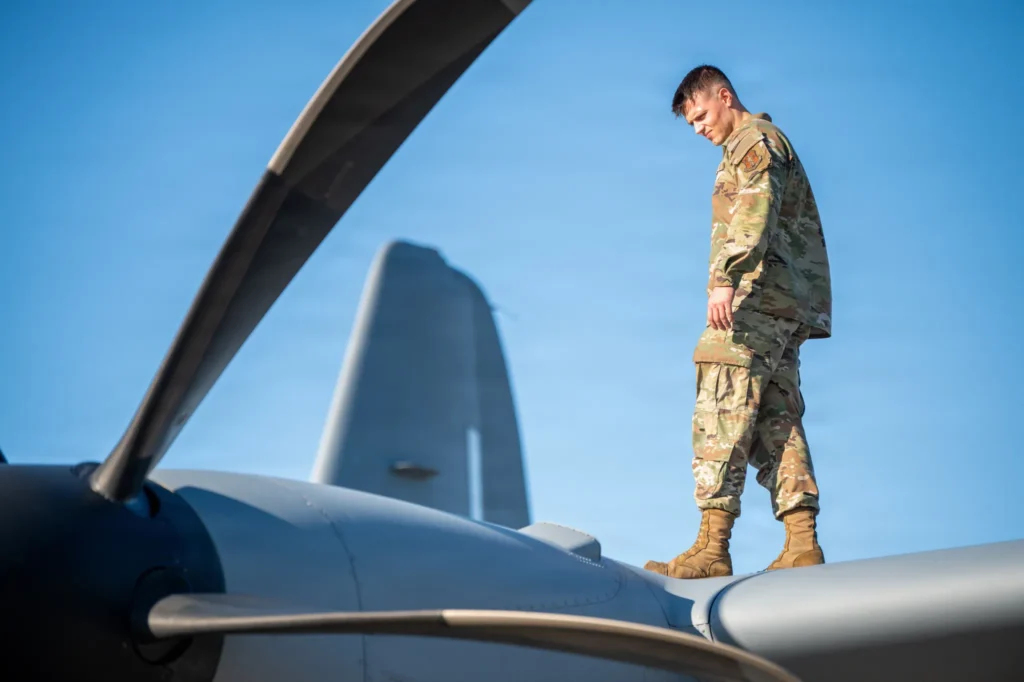
Airmen were left with limited tools for isolating problems or explaining them to engineering support. Cordroch compared the situation to a “check engine” light that warns something is wrong without identifying the exact problem.
That uncertainty encouraged a practice called “swaptronics,” in which maintainers replace a suspected part and then move to the next likely component if the failure remains. Individual parts often cost tens of thousands of dollars, making the guessing game an expensive one.
FREE Gun Law Map: Laws Don't Pause During Social Unrest
In one especially severe case, Cordroch and other maintainers replaced every part in a system, involving millions of dollars in equipment, yet the failure continued. The eventual culprit was not another broken box but a lingering software issue.
“The end result was, after spending three shifts a day for like two weeks troubleshooting and chasing sparks and looking at voltages and replacing boxes, it turned out to be a software issue that had carried over that we weren’t aware of,” Cordroch said.
The opening for a better approach appeared when communications airmen sought to install cyber protection on C-130s. Developing those protections required a deep examination of information moving across the databus, which connects the aircraft’s computers.
Airmen needed a way to decode gigabytes of data and determined they could build the necessary tool themselves. Software engineers at Air Force Special Operations Command spent more than a year downloading historical maintenance information and comparing it with live downloads to understand how the aircraft communicates.
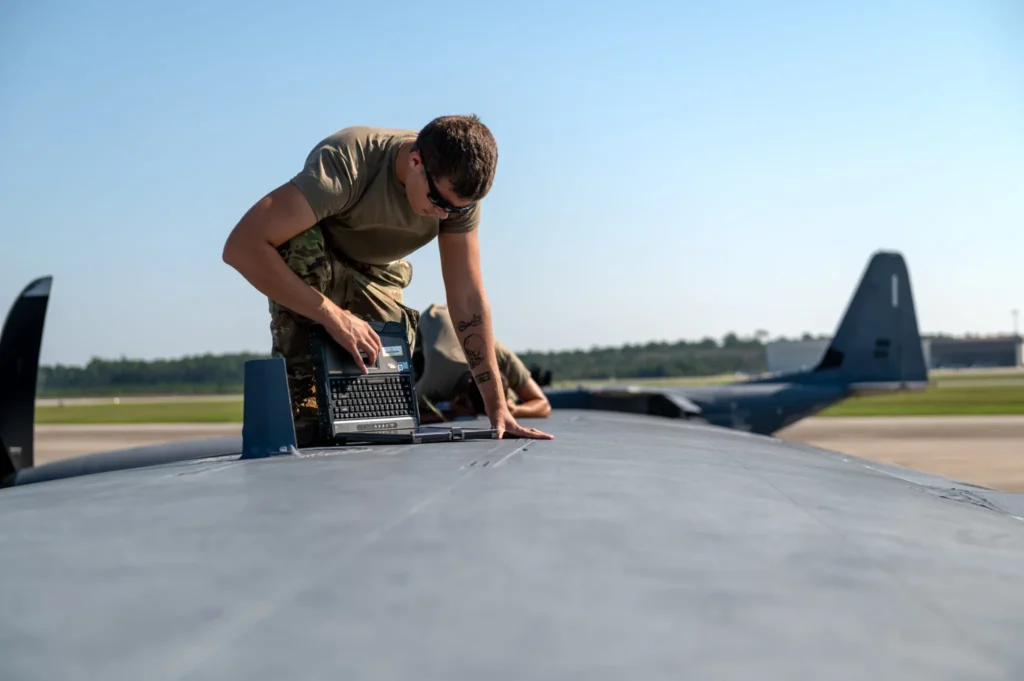
The Fire Overheat Detection System, known as FODS, shows what AMATS can accomplish. Each of the C-130’s four engines has four special FODS wires that burn up when an engine becomes too hot, but the aircraft’s diagnostic system does not identify which wire failed.
Without AMATS, maintainers need about 12 hours to remove engine cowling panels, locate the burned wire, replace it, and confirm the repair. With AMATS, they can connect a laptop, identify the faulty wire in about 20 seconds, and complete the replacement in less than an hour.
Maintainers can also study communication speeds between systems on the databus to predict when a component will fail. That allows units to replace parts beforehand and substantially improve planning ahead of deployments.
Cordroch estimated that the Air Force had invested about $3.5 million in AMATS when he retired in 2024. Two AMATS kits have already produced $180 million in savings by reducing swaptronics, increasing aircraft availability, and allowing units to schedule repairs proactively.
AMATS has now been approved for permanent installation on all AC-130J gunships, HC-130J rescue aircraft, and MC-130J Combat Talon IIIs. That group includes about 130 aircraft, and Cordroch said potential savings could rise above $10 billion.
“This technology is truly nothing short of revolutionary,” Cordroch said. The same 1553 data bus used by the C-130 is also found on Abrams tanks, F-16 fighters, C-17 transports, Navy destroyers, V-22 Ospreys, and many other platforms.
Further expansion requires more data scientists, additional secure communications infrastructure, and adoption of AMATS as a fully supported program of record with dedicated funding and a larger staffing budget. Cordroch said those investments could cost millions but remain small compared with the capabilities and savings available.
“This is how the Air Force finally takes a massive step towards the dream of predictive maintenance,” Cordroch said.
The opinions expressed by contributors and/or content partners are their own and do not necessarily reflect the views of BoredTrashPanda.com. Contact us for guidelines on submitting your own commentary.
Join the Discussion
COMMENTS POLICY: We have no tolerance for messages of violence, racism, vulgarity, obscenity or other such discourteous behavior. Thank you for contributing to a respectful and useful online dialogue.