WHAT YOU NEED TO KNOW
- The United States and Russia appear poised to oppose negotiations for legally binding restrictions on lethal autonomous weapons systems.
- Most of the 128 states participating in the convention support beginning negotiations, while the United States, Russia and Israel argue existing law is sufficient.
- Russia delayed the meeting’s start by objecting to a procedural rule allowing observers to speak.
- The United States favors nonbinding guidelines, while the meeting chair proposes a two year mandate for negotiating a legally binding protocol.
The United States and Russia appear ready to oppose an international push to begin negotiating legally binding rules for autonomous weapons. Diplomats and rights groups expect the two major arms producers to resist the effort at a global meeting in Geneva this week.
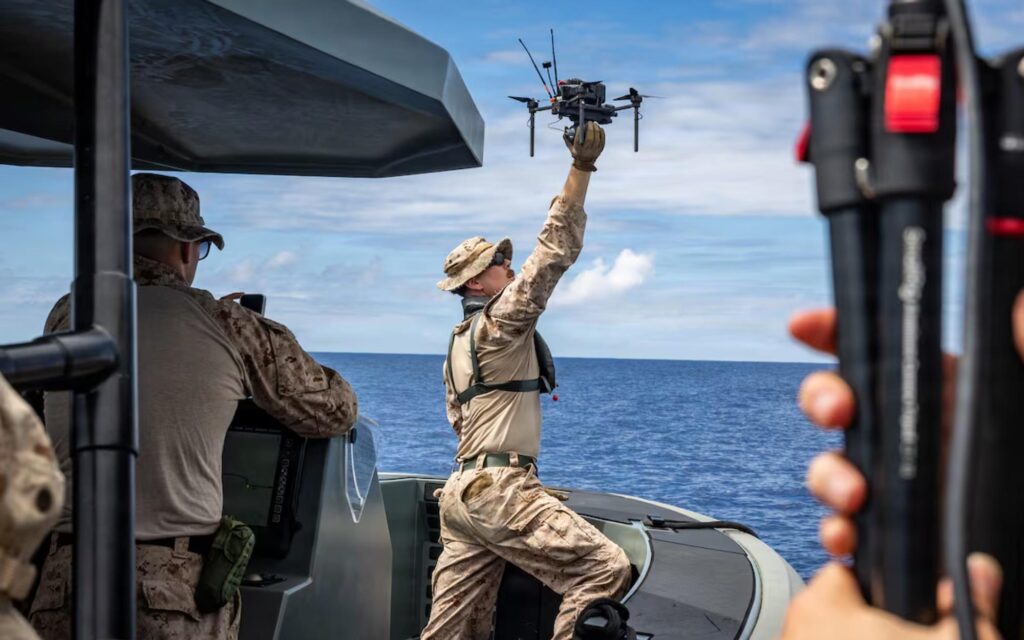
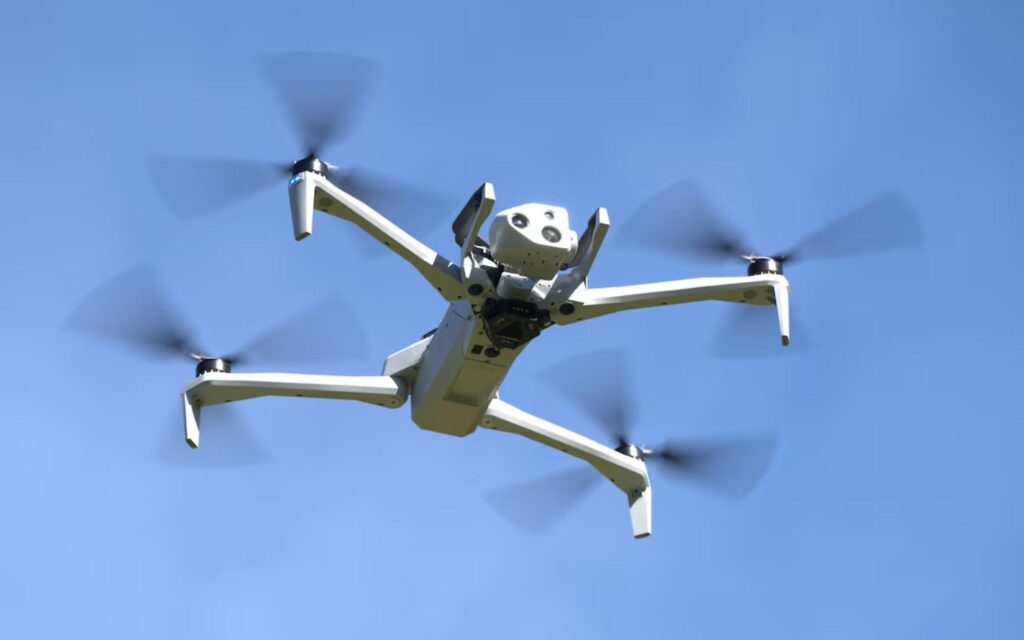
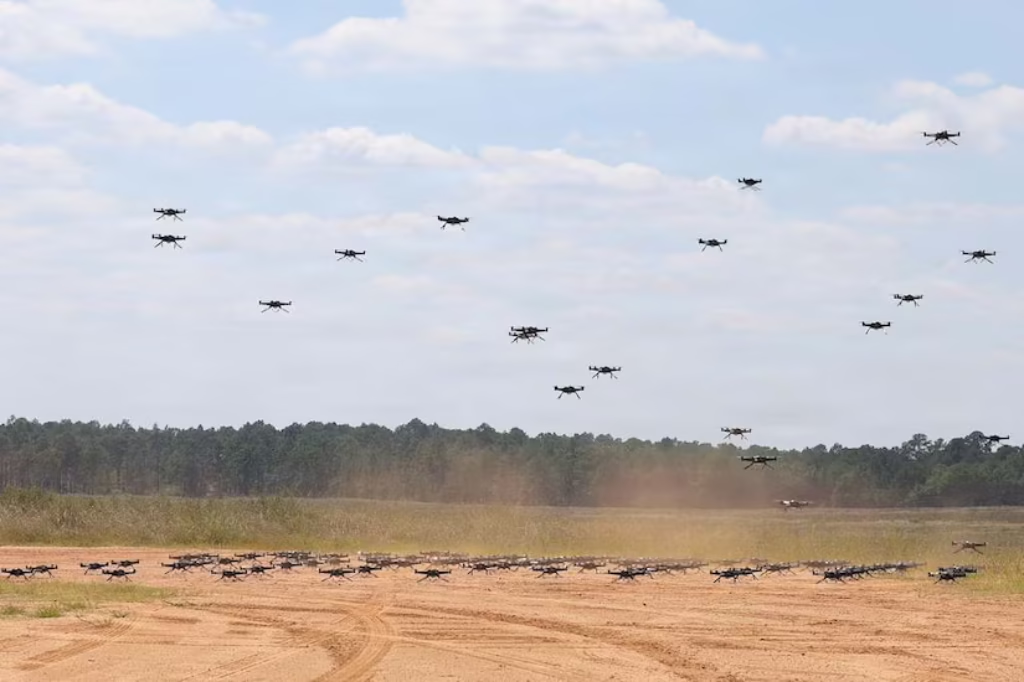
Artificial intelligence has accelerated development of drones, robots, tanks, submarines and other military systems capable of killing without human involvement. AI assisted and partially autonomous weapons have already appeared in Ukraine, Sudan and the Middle East despite continuing ethical concerns.
The UN hosted meeting is tasked with deciding whether negotiations should begin on a legally binding agreement covering prohibitions and regulations for Lethal Autonomous Weapons Systems, known as LAWS. The meeting began Monday under the Convention on Certain Conventional Weapons.
Most of the 128 states that are party to the convention support beginning those negotiations. Major military powers, including the United States, Russia and Israel, oppose the proposal and argue that existing humanitarian law already provides sufficient rules.
MORE NEWS: Trump Gets ‘YMCA’ Welcome in Philippines Before Historic Nuclear Talks with Xi and Putin [WATCH]
UN secretary-general Antonio Guterres urged participating governments in a video message to move toward negotiations on a legally binding instrument. He called for that instrument to include clear prohibitions and restrictions.
“The nature of warfare is changing. New technologies — including autonomous weapon systems — present new humanitarian, legal, ethical and security challenges,” Antonio Guterres said.
Russia created an immediate procedural roadblock Monday by objecting to a rule that would allow observers to address the meeting. Those observers include the European Union and nongovernmental organizations, while delegates including Ireland and Canada opposed the Russian objection.
FREE Gun Law Map: Laws Don't Pause During Social Unrest
The International Committee of the Red Cross has also issued warnings about the dangers posed by autonomous weapons. The pope has delivered similar warnings as governments confront the expanding military use of artificial intelligence.
“Machines should never be allowed to decide who lives and dies on a battlefield but that is the dystopian reality that is fast approaching,” said Verity Coyle from Human Rights Watch, which is pressing the Review Conference to take firm action.
Two diplomats told Reuters that the discussions would be challenging. They nevertheless said a compromise could emerge by the end of the week, leaving the final shape of any agreement far from settled.
MORE NEWS: Tom Brady’s Wildly ‘Beautiful’ 49ers Touchdown Reaction Sends NFL Fans Into a Frenzy [WATCH]
One diplomat said every option remains under consideration. Those possibilities include a legally binding agreement, an agreement that is not legally binding, or a hybrid arrangement containing elements of both approaches.
Campaigners argue that autonomous weapons systems can behave unpredictably, creating the danger of fatal mistakes. Their warnings have intensified as artificial intelligence assumes a larger role in weapons and military hardware capable of operating with reduced human involvement.
Anna Hehir, head of military AI governance at the Future of Life Institute, said LAWS are no longer confined to science fiction. She pointed to media reports describing early use of fully autonomous systems in Ukraine.
The Future of Life Institute is a nonprofit organization based in the United States that focuses on reducing risks from advanced technologies, including artificial intelligence. Hehir told Reuters that the United States and Russia would probably try to weaken any final outcome.
She compared that expected approach with their actions in September involving a text about autonomous weapons and their potential to cause harm. Her warning adds to doubts that this week’s meeting will produce the binding framework sought by campaigners and most convention members.
The United States supports guidelines rather than binding rules for LAWS. Its position is that international law already provides a framework governing warfare, and it has proposed a five year mandate for talks aimed at reaching a nonbinding agreement.
The chair of this week’s discussions has offered a different path, proposing a two year mandate to negotiate a legally binding protocol. That proposal directly reflects the broader effort to establish enforceable prohibitions and restrictions.
The United Kingdom, Germany and France have proposed negotiations on an instrument that would leave open whether the final result would be legally binding, Coyle told Reuters. With competing proposals still in play, diplomats face a difficult week of bargaining over both the substance and legal force of any agreement.
The opinions expressed by contributors and/or content partners are their own and do not necessarily reflect the views of BoredTrashPanda.com. Contact us for guidelines on submitting your own commentary.
Join the Discussion
COMMENTS POLICY: We have no tolerance for messages of violence, racism, vulgarity, obscenity or other such discourteous behavior. Thank you for contributing to a respectful and useful online dialogue.