WHAT YOU NEED TO KNOW
- The government conducted a controlled detonation of nearly 5 tons of unstable lead azide at the Iowa Army Ammunition Plant.
- FEMA told residents within 20 miles who had not evacuated to remain indoors and follow EPA safety guidance.
- The Army targeted 68 degrading plastic barrels after authorities warned the deteriorating explosives could eventually detonate on their own.
- No immediate official assessment was available on how successful the detonation had been.
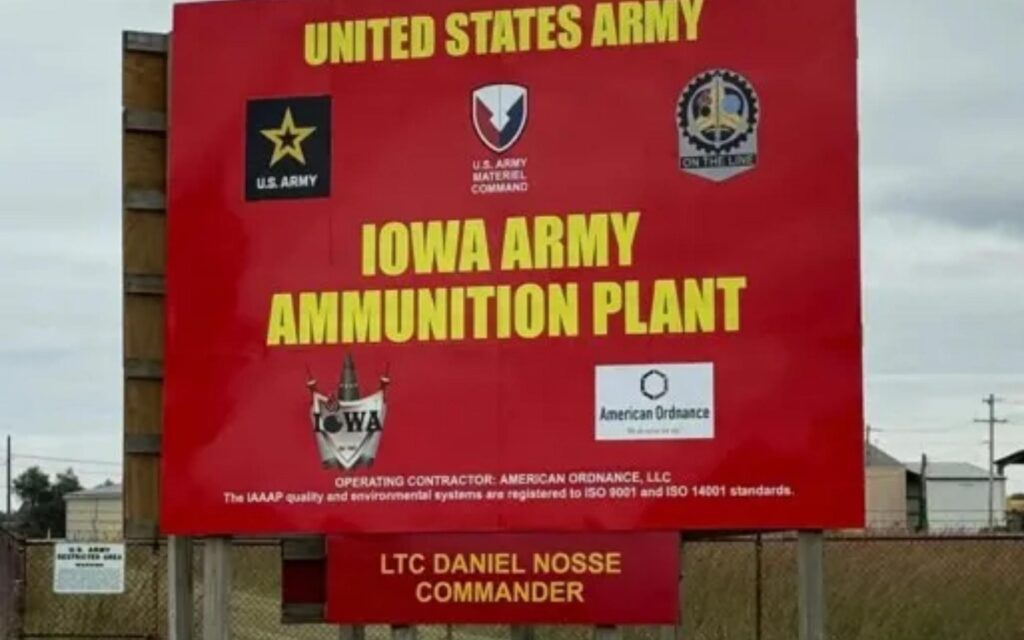
The U.S. government carried out a planned controlled detonation of an aging explosives stockpile Wednesday at the Iowa Army Ammunition Plant in Middletown. Residents in the surrounding farming community sheltered inside their homes to avoid toxic lead dust from the blast.
The operation followed days of public rancor and legal wrangling over the controversial disposal plan. Authorities said detonating the deteriorating material under controlled conditions would avoid the riskier possibility that the chemical drums could eventually explode on their own.
The detonation was scheduled for shortly after 9 a.m. CST. The Federal Emergency Management Agency confirmed through its X account that the operation had been conducted and urged nearby residents to remain indoors as a precaution.
“Following this morning’s controlled detonation in Middletown, Iowa, residents within 20 miles who have not evacuated should continue to shelter in place and follow EPA safety guidance until given the all clear by officials. FEMA has provided safe lodging to those who evacuated,” the agency wrote.
The Army had planned to destroy nearly 5 tons of degraded and highly unstable lead azide. The material was being stored in 68 plastic barrels that were also degrading, adding urgency to concerns about the condition of the stockpile.
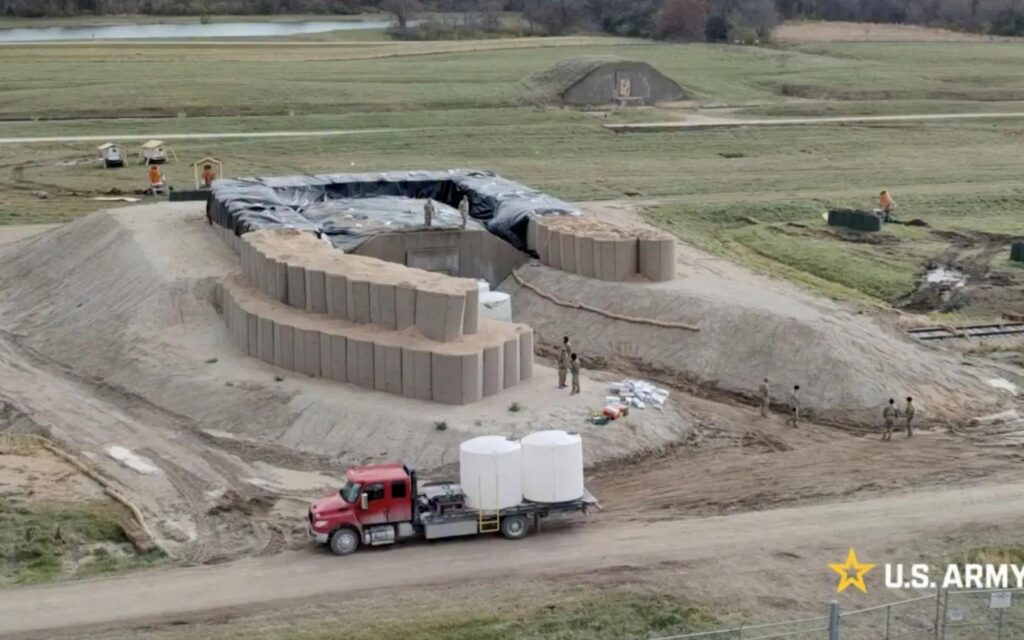
There was no immediate official assessment of how successful the detonation had been. FEMA’s initial announcement confirmed that the operation occurred but kept precautionary instructions in effect for residents who remained within 20 miles of the site.
A live television feed captured the apparent moment of detonation at the scheduled time. The sound of what appeared to be an explosion could be heard from the site as cameras recorded the area around the ammunition plant.
FREE Gun Law Map: Laws Don't Pause During Social Unrest
A thin wisp of what appeared to be gray smoke rose into the early morning sky from behind a line of trees. The visible smoke quickly dissipated after emerging beyond the tree line.
The Iowa Army Ammunition Plant is located in Middletown, roughly 150 miles southwest of Des Moines, the state capital. Homes, crops and livestock surrounding the detonation site were central to public concerns about the disposal operation.
Those concerns focused particularly on the plume of toxic lead dust that the explosion was expected to release. Residents worried that the material could travel beyond the detonation site and settle across the surrounding agricultural community.
MORE NEWS: Shane Gillis Hit Piece Is Another Bad Boyfriend Gotcha That Spectacularly Backfires [WATCH]
Authorities nevertheless moved forward with the blast after describing the alternative as more dangerous. The degrading lead azide and deteriorating containers created the possibility that the explosives might eventually detonate without the controls used in Wednesday’s operation.
The government’s plan therefore centered on destroying the unstable stockpile before the material could explode on its own. The controlled detonation proceeded despite the public objections and legal disputes that had intensified in the days before the scheduled blast.
FEMA’s message distinguished between residents who had evacuated and those who remained near Middletown. People still within the 20 mile area were directed to continue sheltering and to follow safety guidance from the Environmental Protection Agency until officials issued an all clear.
Those who evacuated were offered safe lodging through FEMA, according to the agency’s statement. No immediate timetable was provided for ending the shelter guidance, leaving nearby residents waiting for further instructions from officials.
The operation removed the immediate task of conducting the planned detonation, but authorities had not yet publicly detailed its outcome. The absence of an initial success assessment meant the government’s first message remained focused on precautions rather than a final evaluation.
For Middletown residents, the blast was heard, smoke was briefly visible and the government confirmed the operation had taken place. Until officials provided the all clear, FEMA continued urging people who had not evacuated within 20 miles to remain indoors.
WATCH BELOW:
The opinions expressed by contributors and/or content partners are their own and do not necessarily reflect the views of BoredTrashPanda.com. Contact us for guidelines on submitting your own commentary.
Join the Discussion
COMMENTS POLICY: We have no tolerance for messages of violence, racism, vulgarity, obscenity or other such discourteous behavior. Thank you for contributing to a respectful and useful online dialogue.