WHAT YOU NEED TO KNOW
- Mark Ruffalo continued opposing the Paramount and Warner Bros. merger after California Attorney General Rob Bonta settled his lawsuit.
- Ruffalo said the merger would stifle creativity, weaken free speech, cost jobs, and benefit corrupt oligarch billionaires.
- Paramount CEO David Ellison accused Ruffalo of antisemitism following the actor’s comments about Ellison, Larry Ellison, Israel, and the Palestinians.
- Ruffalo rejected the accusation and distinguished criticism of Israeli officials, military contracts, and executives from hostility toward Jewish people.
Actor Mark Ruffalo continued objecting to the merger of Paramount and Warner Bros. this week, even after California Attorney General Rob Bonta settled his lawsuit. The deal now appears ready to close, leaving Ruffalo still publicly fighting a transaction he opposed from the outset.
In a Threads post, Ruffalo argued that bringing the two classic studios together would damage creative expression and eliminate jobs. His latest remarks repeated the concerns that have driven his opposition throughout the merger battle.
Rather than softening his position following Bonta’s settlement, Ruffalo portrayed the development as a major disappointment for opponents. He also insisted that the movement against the merger would continue despite the apparent path toward closing the deal.
“This merger will stifle creativity, weaken free speech, and cost people their jobs — it is a bad deal for this country and should never have been approved,” wrote Ruffalo.
“This is an incredibly disappointing outcome for the hundreds of thousands of us who stood up to block it, but it’s also not the end. This grassroots movement isn’t going to fade away and neither is our resolve.”
For all the intensity of Ruffalo’s declaration, it arrived after the California attorney general had settled his lawsuit. The actor nevertheless treated the settlement as another stage in a wider political and economic fight rather than the conclusion of his campaign.
Ruffalo then broadened the dispute beyond the proposed combination of the two studios. He described his opposition as part of a battle against wealthy figures he accused of disregarding ordinary people for personal gain.
“This was never about just one merger: this was about fighting back against corrupt oligarch billionaires trampling the interests of everyday people to line their own pockets. We’re still in that fight. Join us,” he added.
FREE Gun Law Map: Laws Don't Pause During Social Unrest
This merger will stifle creativity, weaken free speech, and cost people their jobs -- it is a bad deal for this country and should never have been approved. This is an incredibly disappointing outcome for the hundreds of thousands of us who stood up to block it, but it's also not…
— Mark Ruffalo (@MarkRuffalo) September 30, 2026
The closing invitation reflected Ruffalo’s effort to keep supporters engaged even as the deal appeared ready to move ahead. His statement offered no retreat from the arguments about jobs, creativity, free speech, and concentrated wealth that he attached to the merger.
The merger fight has also become entangled with a bitter dispute between Ruffalo and Paramount CEO David Ellison. Ellison accused the actor of antisemitism after Ruffalo targeted him and his father, Larry Ellison, over their support for Israel.
Ruffalo had accused David and Larry Ellison of being complicit in “genocide” against the Palestinians because of that support. The actor vehemently denied Ellison’s accusation and argued that his political criticism was being misrepresented.
“The accusation that I am antisemitic is appalling and fundamentally dishonest,” Ruffalo said in response.
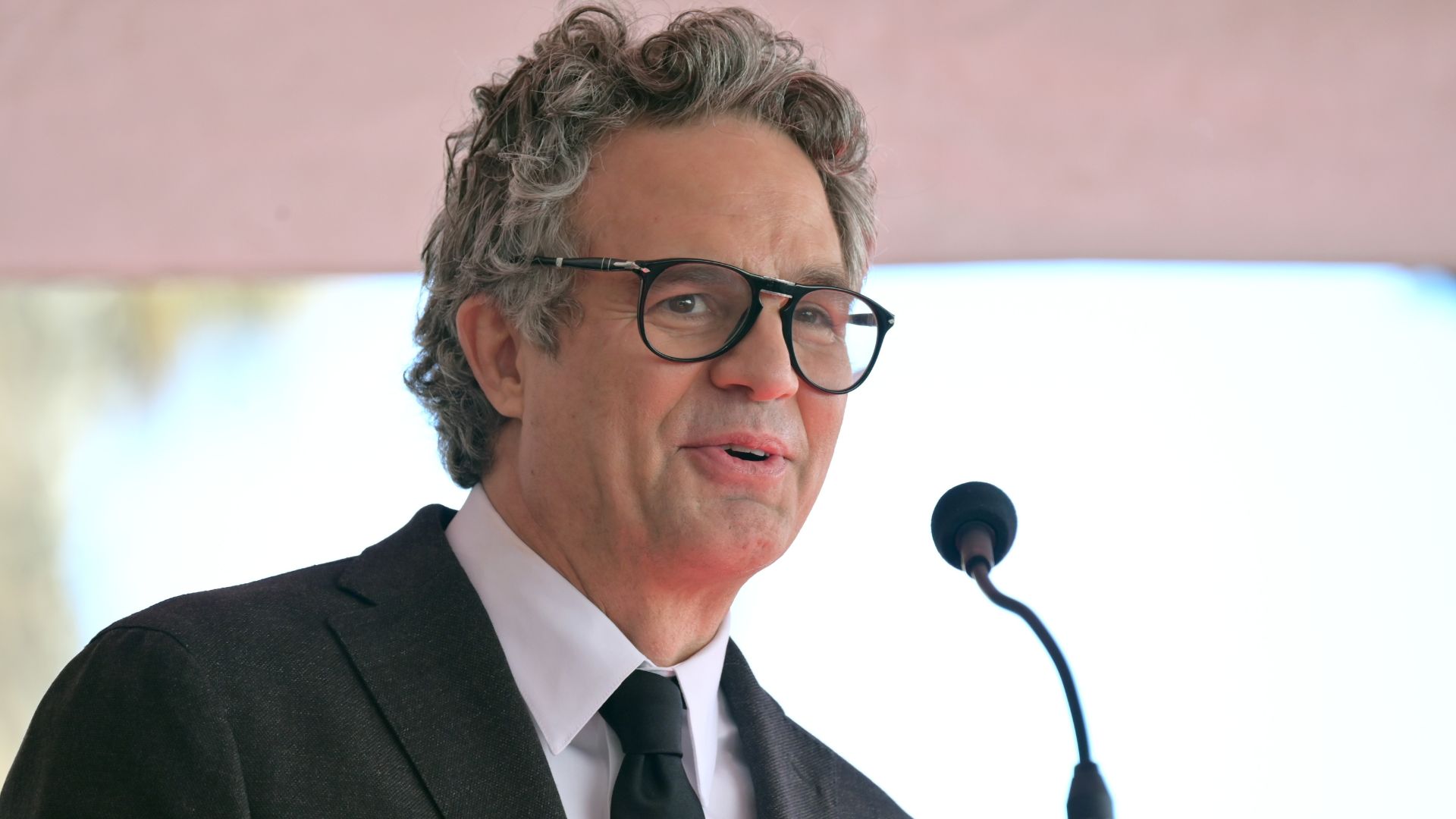
Ruffalo maintained that criticism directed at Israel’s prime minister, a military technology contract, or executives associated with it should not be treated as criticism of Jewish people. He called that distinction essential to what he regarded as legitimate political discussion.
“Criticizing the actions of the Israeli prime minister, a military technology contract or the executives who supply it is not the same as criticizing Jewish people. This critical and necessary dialogue is then dishonestly framed as being anti-Israel.”
The actor also sought to separate his personal political convictions from hostility toward Jewish people. He said Jewish friends, colleagues, and loved ones had played a profound role throughout his life and shaped his understanding of acting, activism, and humanism.
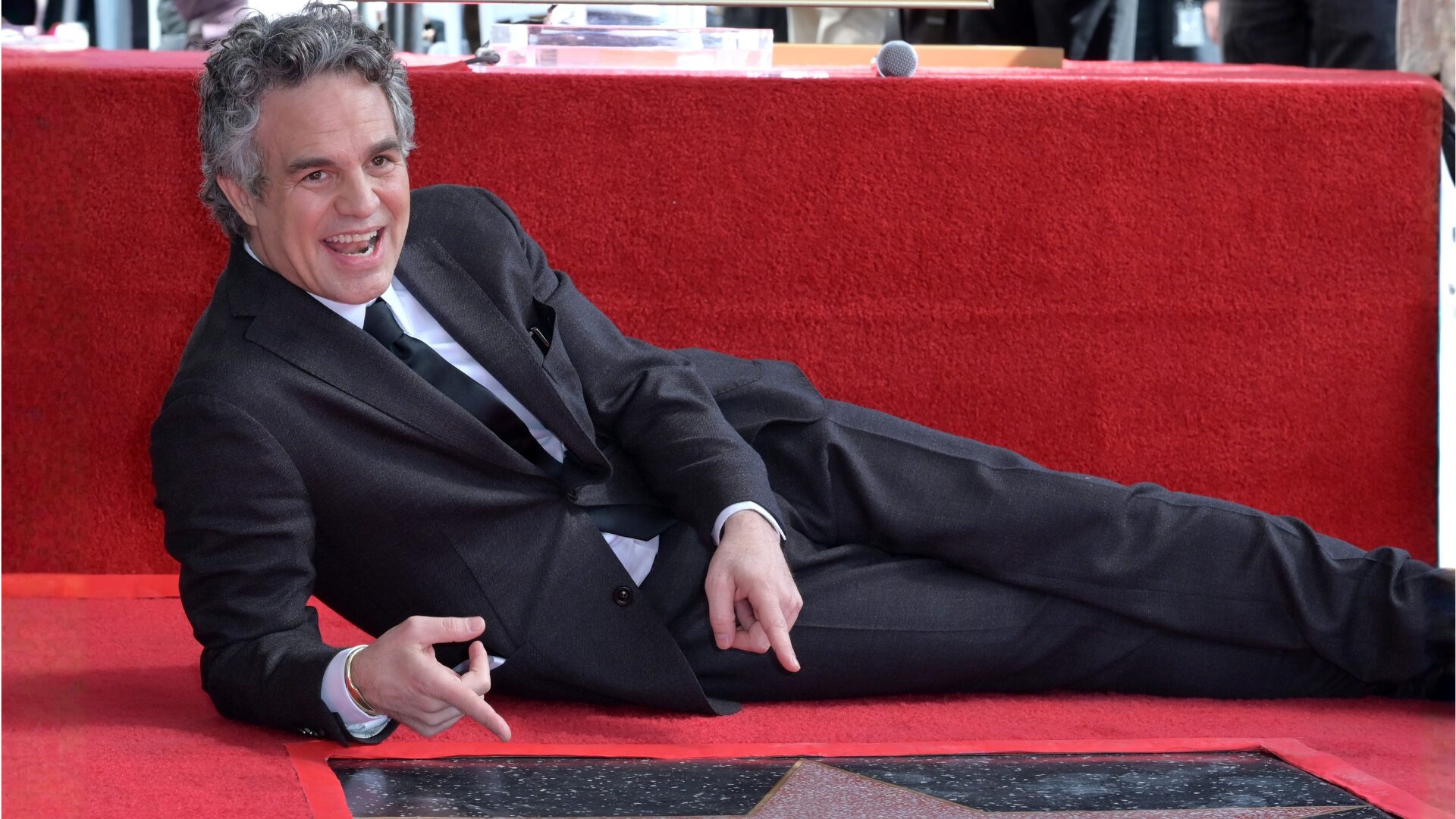
“To be clear, my views come from my own political convictions and should never be interpreted as hostility toward Jewish people, for whom I have deep love and respect,” he added.
“Everything I know about acting, activism and humanism has been profoundly shaped by the Jewish friends, colleagues and loved ones who have been integral and family throughout every point of my life.”
Taken together, Ruffalo’s comments show him continuing two connected fights: opposition to the Paramount and Warner Bros. merger and rejection of Ellison’s accusation. Bonta’s settlement has not quieted the actor, even as the deal appears poised to close.
Join the Discussion
COMMENTS POLICY: We have no tolerance for messages of violence, racism, vulgarity, obscenity or other such discourteous behavior. Thank you for contributing to a respectful and useful online dialogue.