WHAT YOU NEED TO KNOW
- China possesses sensitive F-35 components diverted to Hong Kong while traveling from Australia to the United States.
- The cockpit canopy and weapons bay door contain radar absorbing material that enhances stealth capabilities.
- The Pentagon is working to recover the parts and investigate why the shipment was diverted.
- Two House committees are reviewing the incident, while Australia and Lockheed Martin are examining their roles.
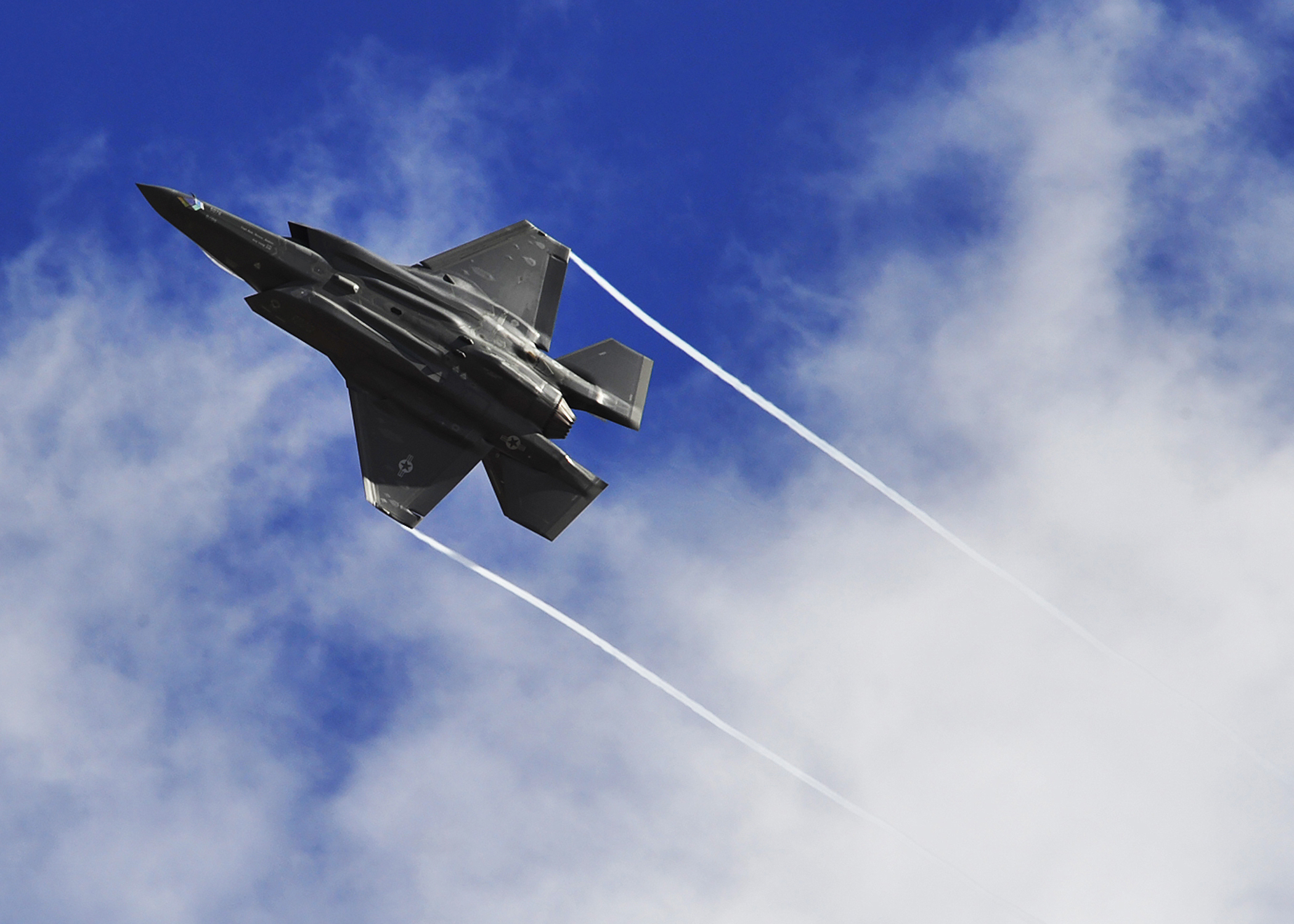
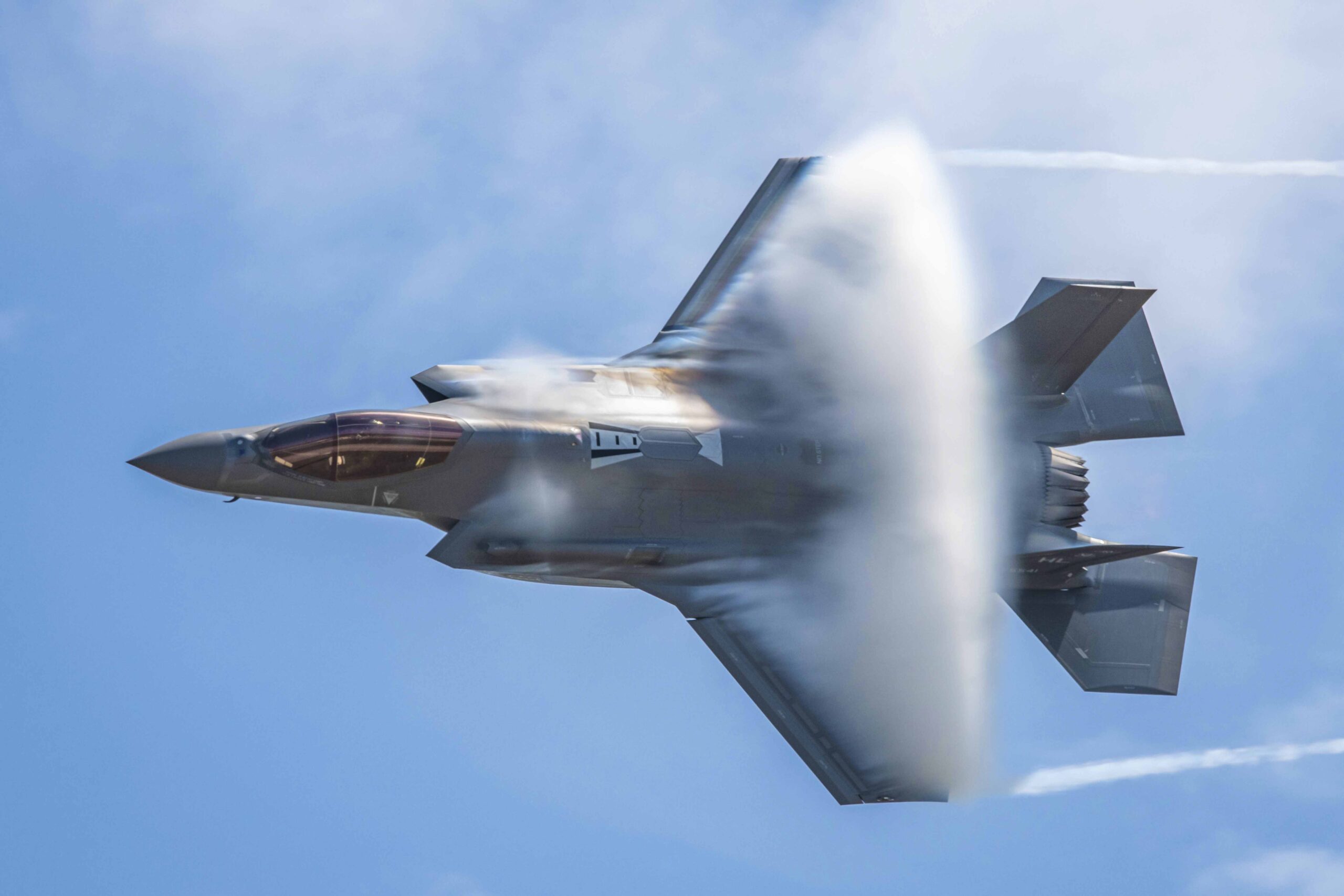
The Chinese government has taken possession of potentially sensitive components from an Australian military F-35 after the shipment was inexplicably diverted to Hong Kong while headed to the United States, according to people briefed on the incident.
UPS was transporting a cockpit canopy and weapons bay door from the aircraft in late May.
The components were being sent to the United States for inspection and possible repair or disposal.
Both parts were supplied by Lockheed Martin Corp. and coated with radar absorbing material intended to enhance stealth capabilities, two of the people said.
MORE NEWS: Scott Jennings Torches CNN Hysteria and Sets the Record Straight on Greenland Deal [WATCH]
The shipment stopped in South Korea while traveling to the United States and was then routed to Hong Kong, according to one person briefed on the matter.
It remains unclear why the stop occurred or why the components went to Hong Kong.
It is also unknown whether the diversion was intentional or the result of a mistake.
The Chinese government later took possession of the components and has not returned them, according to two of the people.
FREE Gun Law Map: Laws Don't Pause During Social Unrest
A Chinese embassy spokesman declined immediate comment Thursday.
The Pentagon, meanwhile, said it was working to recover the parts while officials investigate how a shipment involving sensitive F-35 components managed to take such a troubling detour.
Officials “are aware of a shipment issue of unserviceable F-35 components. We are actively working with US authorities and industry partners to retrieve these components, investigate the incident, and place safeguards to avoid a future occurrence,” a Pentagon statement said.
The disclosure came during a politically delicate period between the United States and China.
Chinese President Xi Jinping was set to arrive in the United States for a state visit with President Donald Trump when details of the incident emerged.
At least two congressional committees are investigating how the components fell into Chinese hands.
Politico previously reported that the parts had been unexpectedly diverted to Hong Kong, but China’s possession of them, the stop in South Korea and UPS’s role had not previously been reported.
China has targeted the F-35 through espionage efforts for years.
Concerns that Beijing could obtain valuable intelligence about the aircraft were one reason a proposed American sale of F-35s to the United Arab Emirates, announced during Trump’s first term, later collapsed.
Members of Congress have also voiced concerns that plans to sell the F-35 to Saudi Arabia could expose cutting edge American military technology to China.
The latest shipment mess is hardly the kind of development likely to calm those concerns.
The F-35 is considered one of the world’s most advanced fighter jets, and approximately 20 countries have purchased the aircraft.
Buyers include South Korea, Japan, Singapore and Australia, while the jet has flown numerous missions against Iran.
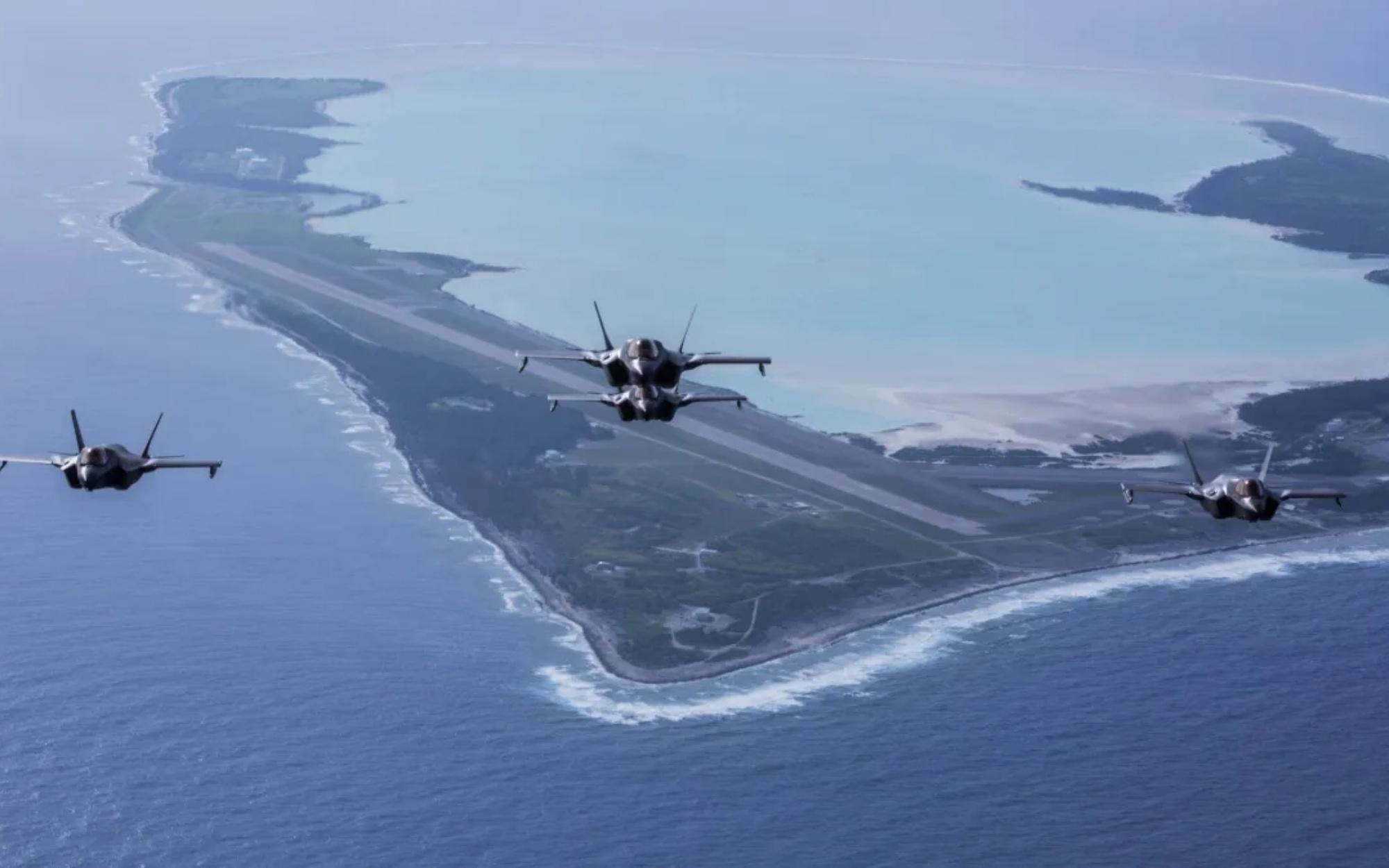
Australia serves as the Indo Pacific inventory hub for F-35 parts and maintenance supporting aircraft flown by American allies in Asia.
That role makes the unexplained diversion especially notable as officials attempt to determine where the process failed.
“It’s always best when your adversaries have to guess at your capabilities,” said JJ Gertler, a former aviation analyst for Congressional Research Service who is now director of The Defense Concepts Organization. “You never want to hand them evidence.”
UPS disclosed the incident to the State Department’s Directorate of Defense Trade Controls, which enforces export control laws, out of an abundance of caution.
UPS spokesman Malcolm Berkley declined to comment.
Australian Defense Minister Richard Marles said his country was examining “everything that has occurred at the Australian end.”
He added, “The point I would make here is that we are confident about the way in which we’ve engaged with the program, and through the US’s prime contractor, Lockheed.”
Lockheed Martin said the War Department selected the transportation options and “we select the carrier that aligns with those government-mandated parameters.”
The company did not identify the carrier but said “we are working closely with them to develop and implement preventive measures to strengthen our collective oversight and prevent recurrence.”
During a closed Senate Armed Services Committee F-35 hearing on June 23, War Department program office officials expressed hope that the components would be returned, according to people familiar with the discussion.
The House Foreign Affairs Committee and House Armed Services Committee are reviewing the diversion.
Armed Services Committee spokesperson Heather Vaughan said the “committee is aware of this issue and we’ve received multiple briefings on it.”
The opinions expressed by contributors and/or content partners are their own and do not necessarily reflect the views of BoredTrashPanda.com. Contact us for guidelines on submitting your own commentary.
Join the Discussion
COMMENTS POLICY: We have no tolerance for messages of violence, racism, vulgarity, obscenity or other such discourteous behavior. Thank you for contributing to a respectful and useful online dialogue.