WHAT YOU NEED TO KNOW
- USS Georgia sailors are honoring the submarine’s missions, camaraderie and lessons before its decommissioning.
- Commissioned in 1984, Georgia later became a guided-missile submarine carrying 154 Tomahawk cruise missiles.
- The submarine returned to Naval Submarine Base Kings Bay on July 27, 2026, before beginning inactivation.
- Georgia will be the first Ohio-class guided-missile submarine to permanently leave the fleet.
Sailors who served aboard the Ohio-class guided-missile submarine USS Georgia are paying tribute to the boat before its decommissioning, closing more than 40 years of service marked by demanding missions, close bonds and memories built beneath the waves.
According to a Navy release, former crew members described the Georgia as a place where they learned resilience, camaraderie and the importance of helping those who follow.
Their farewell focused on the people, responsibilities and shared hardships that shaped their years aboard the submarine.
Electronics Technician (Nuclear) 2nd Class Trenton Maybee served aboard the Georgia and monitored its nuclear reactor.
MORE NEWS: Scott Jennings Torches CNN Hysteria and Sets the Record Straight on Greenland Deal [WATCH]
“I take pride in what we did because I could see the effect,” Maybee said. “We answered the call.”
The Georgia arrived at its homeport at Naval Submarine Base Kings Bay, Georgia, on July 27, 2026, for the final time before beginning its inactivation process.
It will become the first Ohio-class guided-missile submarine to permanently leave the fleet.
Commissioned on Feb. 11, 1984, the Georgia originally served as an Ohio-class ballistic missile submarine designed with Cold War nuclear deterrence in mind.
FREE Gun Law Map: Laws Don't Pause During Social Unrest
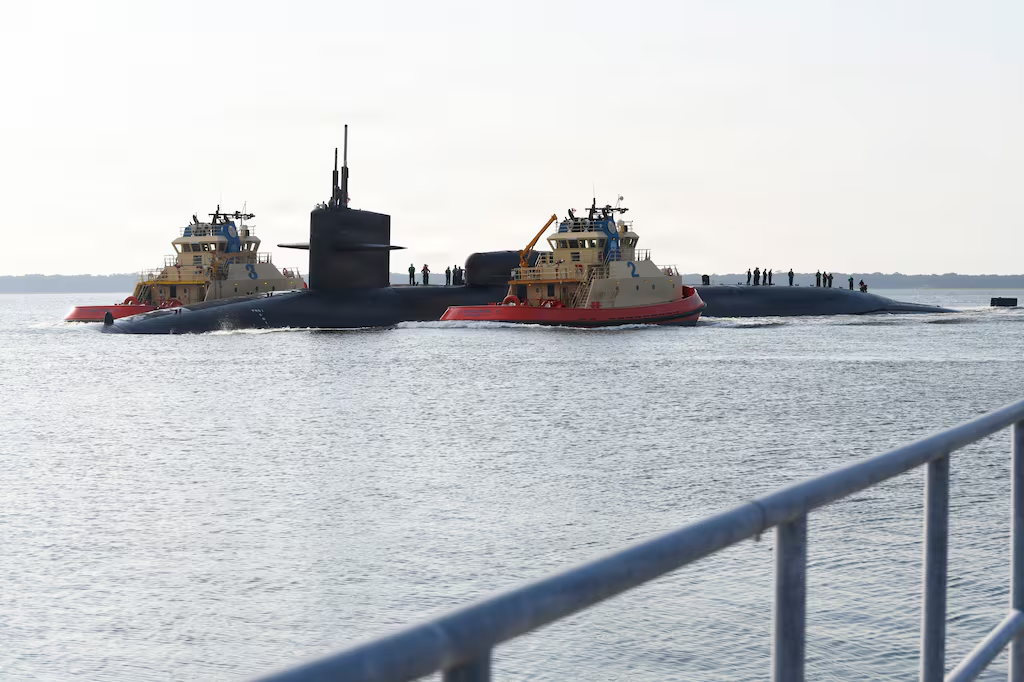
The Navy redesignated it as a guided-missile submarine on March 1, 2004.
That conversion replaced its nuclear missiles with 154 Tomahawk cruise missiles.
The submarine also received an onboard chamber capable of hosting Navy SEALS and special operations forces when required.
Because the Georgia is the first submarine of its type to undergo this departure from the fleet, personnel overseeing its decommissioning are developing a road map for the inactivation of the other boats that will follow. The process therefore carries importance beyond the Georgia itself.
For engineer officer Lt. Cmdr. Dennis Mauldwin, helping the submarine surface for the final time carried a deeply personal meaning.
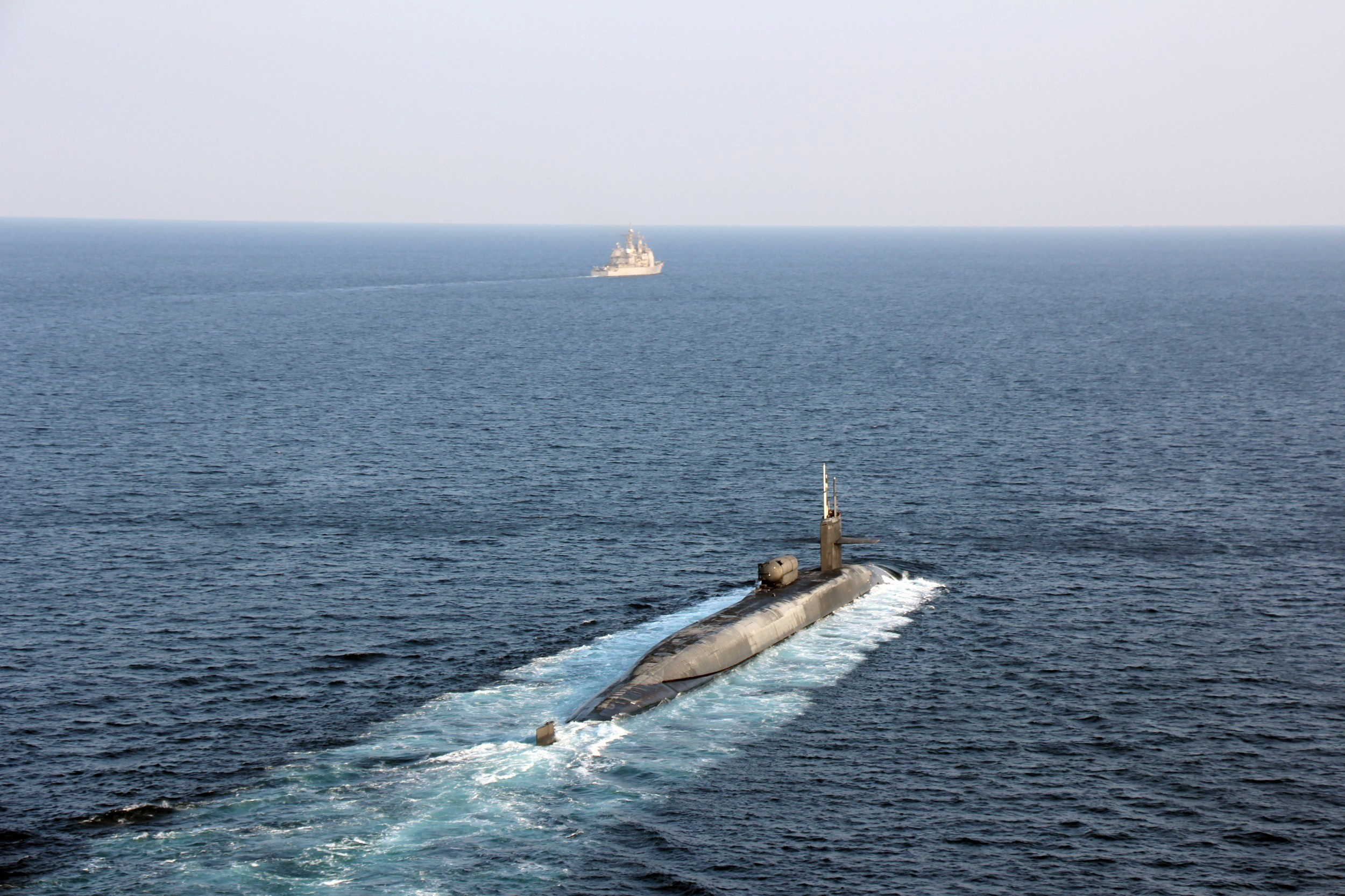
The Georgia was more than a partial home during his military service because it also became part of lasting moments with his family.
Before the submarine’s final trip home, Mauldwin’s daughter joined the crew through a special program allowing family members to observe their loved ones serving the country. She had heard about her father’s work throughout her life but had never watched him perform it.
The submarine also taught its sailors lessons about hard work and compassion. Culinary Specialist (Submarine) 1st Class Aaron Sarver helped feed roughly 185 sailors, with that number able to rise when the Georgia carried special operations forces.
Sarver’s workload included planning a food loadout covering 120 days, but he said keeping the crew’s spirits up remained the central priority.
“The 3 H’s were honesty, human compassion, and hard work,” Sarver said.
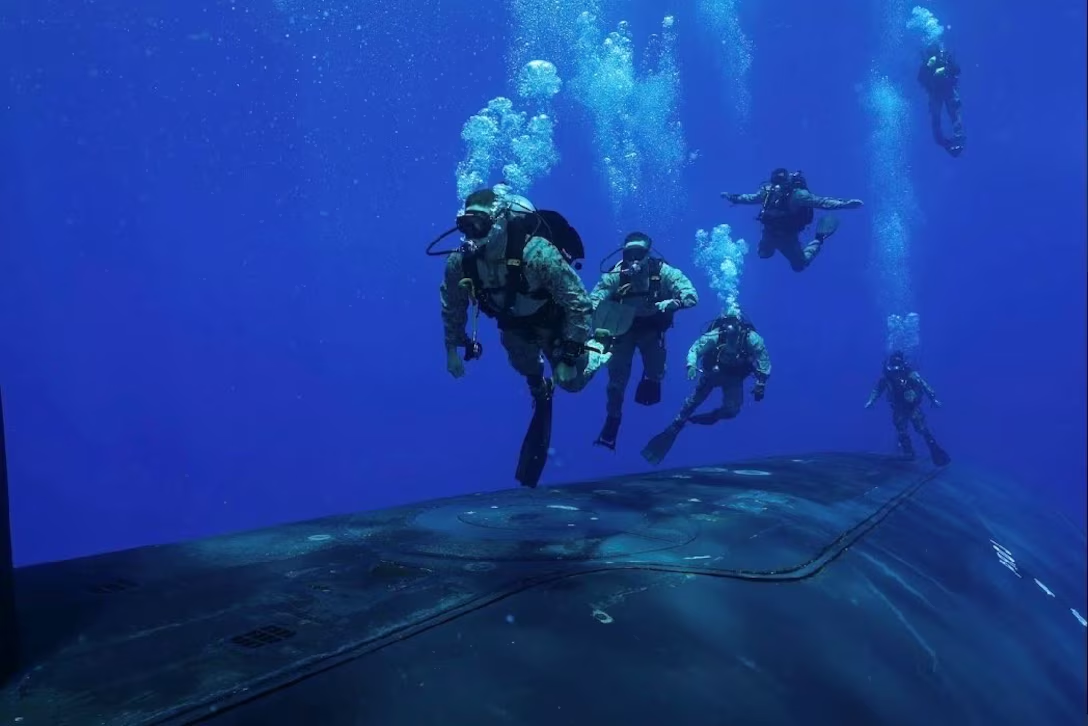
Sailors also pointed to the Georgia’s consistent operability as evidence of the Navy training provided across decades. Its systems were older and highly complex, yet the crew remained prepared to identify problems, narrow their causes and keep the submarine operating.
“We receive such a high level of training,” said Lt. j.g. Jordan Blechman, who served aboard the Georgia.
“When things go wrong, they know how to start troubleshooting and narrowing the problems to correct them, and that keeps the boat in the fight.”
For Maybee, that work provided a powerful sense of purpose because sailors could see how their efforts affected national and international security.
“I don’t know if there’s another job that I could have that could have this much effect on the world,” Maybee said.
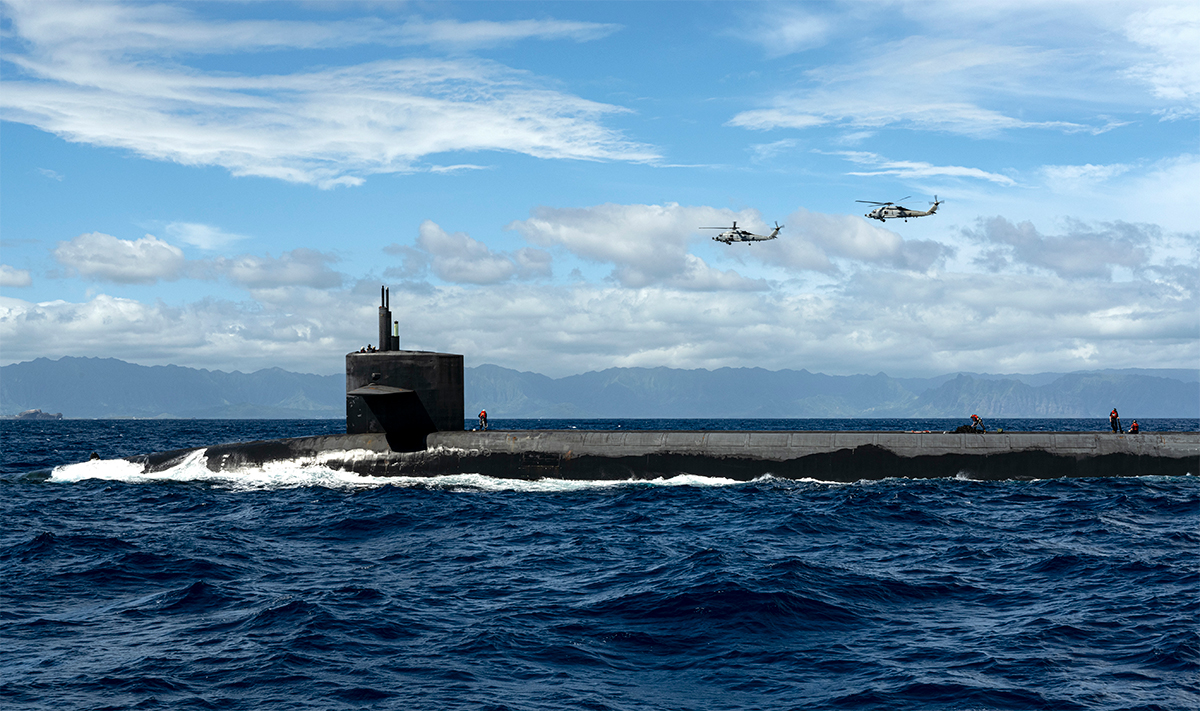
The sailors’ strongest memories centered on the people who served beside them.
Mauldwin said fellow service members helped him withstand long deployments and the grueling demands those missions sometimes imposed.
That bond also convinced Mauldwin that sailors should leave the service better than they found it.
“So much of what you hear in the Navy is, ‘I went through this, so you should have to suffer too,’ but I think that is the totally wrong attitude to have,” Mauldwin said.
“Wherever I can, I am looking for opportunities to make the Navy more enjoyable, or at least less miserable, for people while still accomplishing the mission.” As the Georgia moves toward retirement, its sailors are carrying those lessons, friendships and memories forward.
The opinions expressed by contributors and/or content partners are their own and do not necessarily reflect the views of BoredTrashPanda.com. Contact us for guidelines on submitting your own commentary.
Join the Discussion
COMMENTS POLICY: We have no tolerance for messages of violence, racism, vulgarity, obscenity or other such discourteous behavior. Thank you for contributing to a respectful and useful online dialogue.