WHAT YOU NEED TO KNOW
- The Army met its Reserve and Special Forces recruiting goals for the first time in at least a decade.
- Special Forces recruiters produced 2,940 candidates, while the Army Reserve reached 14,322 future soldiers two weeks early.
- The Army met its active duty recruiting target four months early after bringing in more than 61,500 soldiers.
- Expanded pipeline oversight is helping recruiters target critical military skills and address losses during training.
The U.S. Army has reached its Reserve and Special Forces recruiting goals for the first time in at least a decade, according to the three star commander of U.S. Army Recruiting Command. Lt. Gen. Johnny Davis confirmed the results this week.
The achievement adds to a major recruiting turnaround after the Army missed its missions in 2022 and 2023. Earlier this year, the service announced that it had met its active duty recruiting target four months early for the second consecutive year.
The Army brought in more than 61,500 soldiers while reaching that active duty target. The Reserve and Special Forces results now extend that recruiting success into two areas that had not reached their goals for many years.
War Secretary Pete Hegseth announced the Special Forces and Reserve results last week on X. His message celebrated both milestones and declared that new recruits were eager to join.
“For the first time in FIFTEEN YEARS, our Special Forces recruiters achieved their mission of 2,940 candidates,” Hegseth wrote. “And, for the first time in a DECADE, the U.S. Army Reserves have met their mission of 14,322 future Soldiers in September — two weeks ahead of schedule … The Warriors want IN!”
Speaking Tuesday at an Association of the United States Army event, Davis confirmed those figures. He also said the Army National Guard had met its recruiting target, narrowly reaching its goal one week before the fiscal year ended.
Davis took command during what he described as the recruiting “tough spot” of 2022. He said the Army’s current position allows recruiters to be more selective when filling specific needs and high value roles across the force.
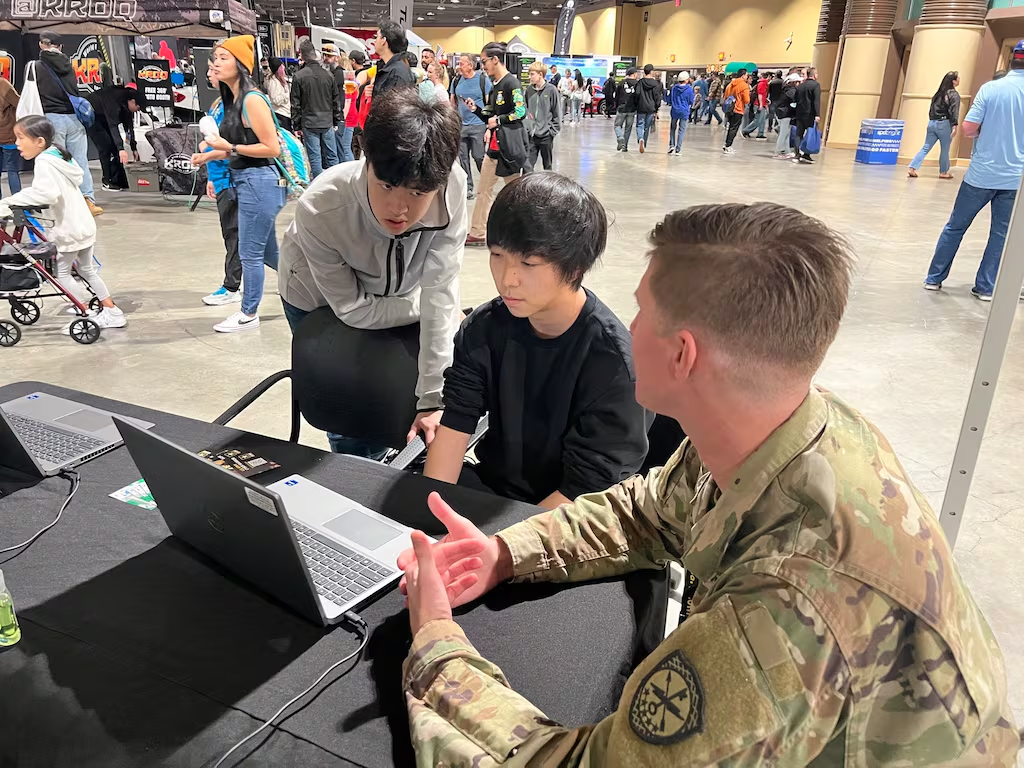
FREE Gun Law Map: Laws Don't Pause During Social Unrest
U.S. Army Recruiting Command became a three star command in 2025 and absorbed additional responsibilities involving recruit development and training. The change made the command the Army’s primary “force generation” authority and gave it greater visibility across training pipelines.
Davis said that broader authority helps the command follow recruits through training and into the force. Leaders can also better understand what recruits need to succeed and where problems may emerge along the way.
“When you think about precision in today’s environment, because we are doing so well, we can actually firm up many of our operational units with the right talent,” Davis said. “Instead of just putting more people, you know, maybe the wrong [military occupational specialties], now we’re starting to focus on, OK, if the Army has 10 or whatever number of Patriot battalions, let’s get the right number of 94 Sierras and Tangos or all of those maintenance teams, and that involves a lot of hard work.”
Recruiters have similarly identified how many unmanned aerial systems pilots, designated MOS 15X, the Army wants to train. They can then plan recruiting efforts around that requirement while examining the physical and skill demands associated with each MOS.
The expanded oversight also makes U.S. Army Recruiting Command responsible when recruits leave training or move into a different MOS. “Now that we own the whole pipeline, [when recruits drop out or are reclassified to a different MOS], we have to do something about that,” Davis said.
Recruits training to become 92R parachute riggers, for example, need a particular kind of upper body strength to succeed. That requirement is now receiving more attention because recruits have been lost during the training pipeline.
“We’re starting to pay attention to that, because we’re losing them in the pipeline,” Davis said.
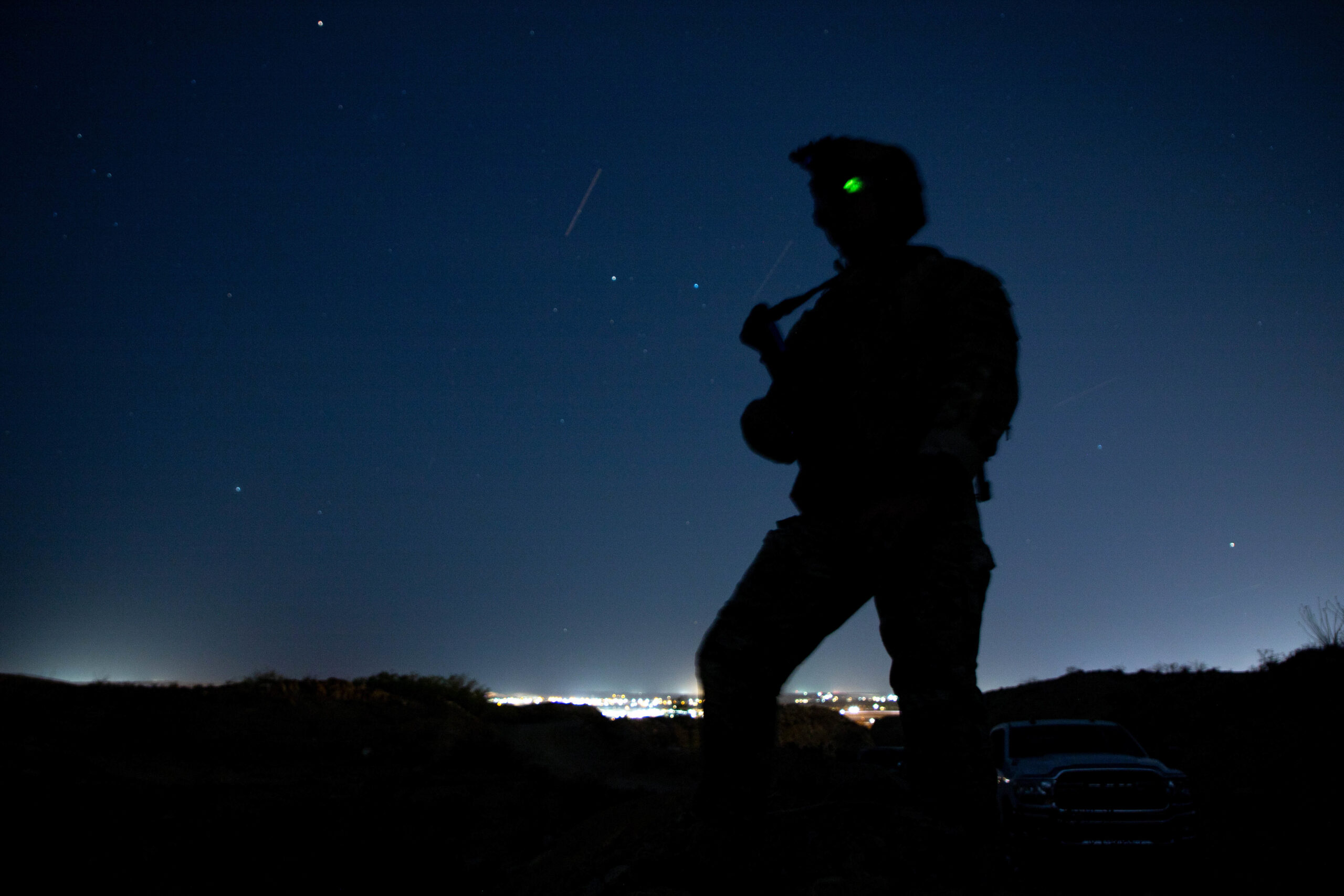
The Army also wants to reduce the number of soldiers pulled from other military occupational specialties and assigned to recruiting tours. Davis said young sergeants and staff sergeants have previously been taken from formations after deployments and sent into recruiting.
“There’s a lot of young sergeants and staff sergeants out there — 82nd, 101st, 1st Armored — and we would come in after their deployments and pluck one or two and send them off to recruiting,” he said. “We want to lower that … and so one of the areas we really want to look at is our permanent recruiting force and what it takes to invest in them.”
Last year, the Army introduced MOS 42T, talent acquisition specialist, to develop a permanent group of recruiters. Service leaders are now considering further training, experiences with outside industry and other opportunities that could improve the efficiency and effectiveness of those specialists.
“Then we can lower the number of young sergeants that we draft from the force, and so that’s where we are right now,” Davis said. “We’re right in the first year, and it’s looking promising.”
The Army has also begun promoting new recruiters immediately after they complete the Army Recruiting Course. Davis said the recently announced policy change has already produced promotions for 2,000 soldiers while recognizing the difficulty of recruiting duty.
“What I’ve learned when getting it right is, you can’t just fix one thing,” Davis said. “You have to address a bunch of different things.”
The opinions expressed by contributors and/or content partners are their own and do not necessarily reflect the views of BoredTrashPanda.com. Contact us for guidelines on submitting your own commentary.
Join the Discussion
COMMENTS POLICY: We have no tolerance for messages of violence, racism, vulgarity, obscenity or other such discourteous behavior. Thank you for contributing to a respectful and useful online dialogue.